What Is an EICR, and Does Your Business Need One in Sri Lanka?
By Vibhawa Editorial Team · Vibhawa Consultants
If you run a factory, an office building or a hotel, you have probably been asked for an electrical safety audit by an insurer, a client auditor or your own management. The formal name for that report is an EICR. This guide explains what an EICR checks, how often your building should be tested, and what a proper report should tell you.
Key takeaways
- An EICR, commonly called an electrical safety audit in Sri Lanka, is a periodic inspection and test of an installation already in service. It is carried out to BS 7671, the IET Wiring Regulations.
- Electrical installations in Sri Lanka are required to conform to BS 7671 under the Electricity (Safety, Quality and Continuity) Regulations, 2016, so it is the standard your installation is measured against.
- We recommend testing industrial premises every year. Commercial premises are typically tested at most every 5 years.
- Every defect is coded C1, C2, C3 or FI, so you know what to fix first and how urgently.
- Our longest-running clients have had their factories tested every year for seven years or more.
What is an EICR, and what is it checked against?
An EICR assesses the fixed electrical installation of a building: the incoming supply, the main switchboard, sub distribution boards, final circuits, wiring, earthing and bonding, and permanently connected equipment. It does not cover plug-in appliances, which are checked separately by portable appliance testing.
The installation is checked against BS 7671, the IET Wiring Regulations. Electrical installations in Sri Lanka are required to conform to the “Sri Lanka Standard requirements” defined in Regulation 71 of the Electricity (Safety, Quality and Continuity) Regulations, 2016 (Gazette Extraordinary No. 1975/44 of 13 July 2016). That definition refers to BS 7671, Requirements for Electrical Installations: the 17th Edition of 2008 “or latest”, which today is the 18th Edition, BS 7671:2018+A4:2026.
The Regulations were made under sections 54 and 56 of the Sri Lanka Electricity Act, No. 20 of 2009, and continue in force under section 51(2)(b) of the Sri Lanka Electricity Act, No. 36 of 2024. That makes BS 7671 the benchmark for an EICR here.
An EICR is different from the testing done on a new installation:
- Initial verification confirms that a new or altered installation was built correctly before it is put into service.
- An EICR checks whether an installation that has been in use for years still meets the standard, after wear, heat, alterations and additions.
When should a business get an EICR?
Every building with a fixed installation benefits from periodic testing. These situations make it more pressing:
- Factories and industrial plants, where heavy loads, vibration, dust and continuous operation wear the installation quickly.
- Commercial buildings and hotels, especially where a lease, insurer or facilities contract asks for evidence of electrical testing.
- Before buying or taking over a building, to get an independent view of its condition.
- After major changes, such as rewiring, new distribution boards or large new machinery.
- After unexplained trips, overheating or a fire incident, to find the cause and check the rest of the installation.
What does an EICR check?
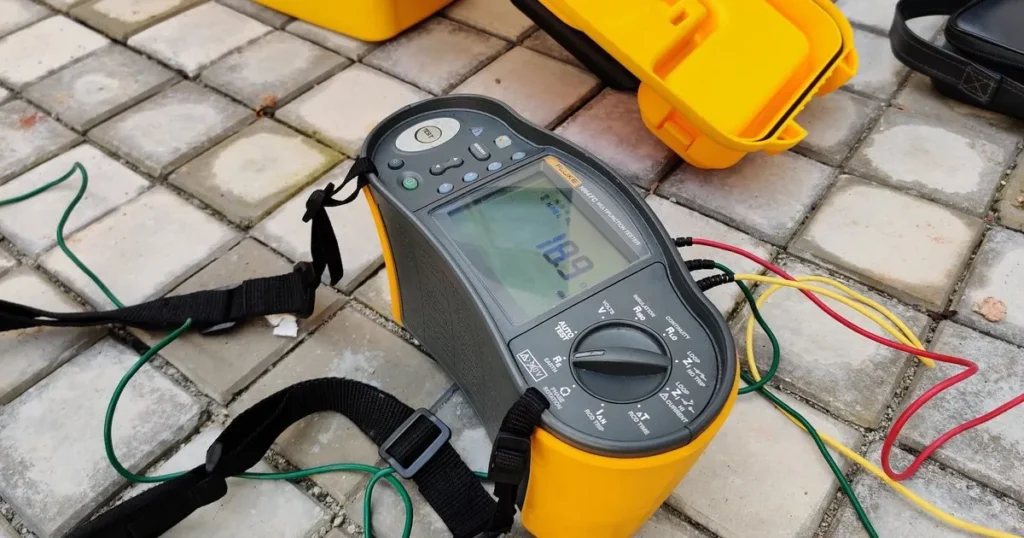
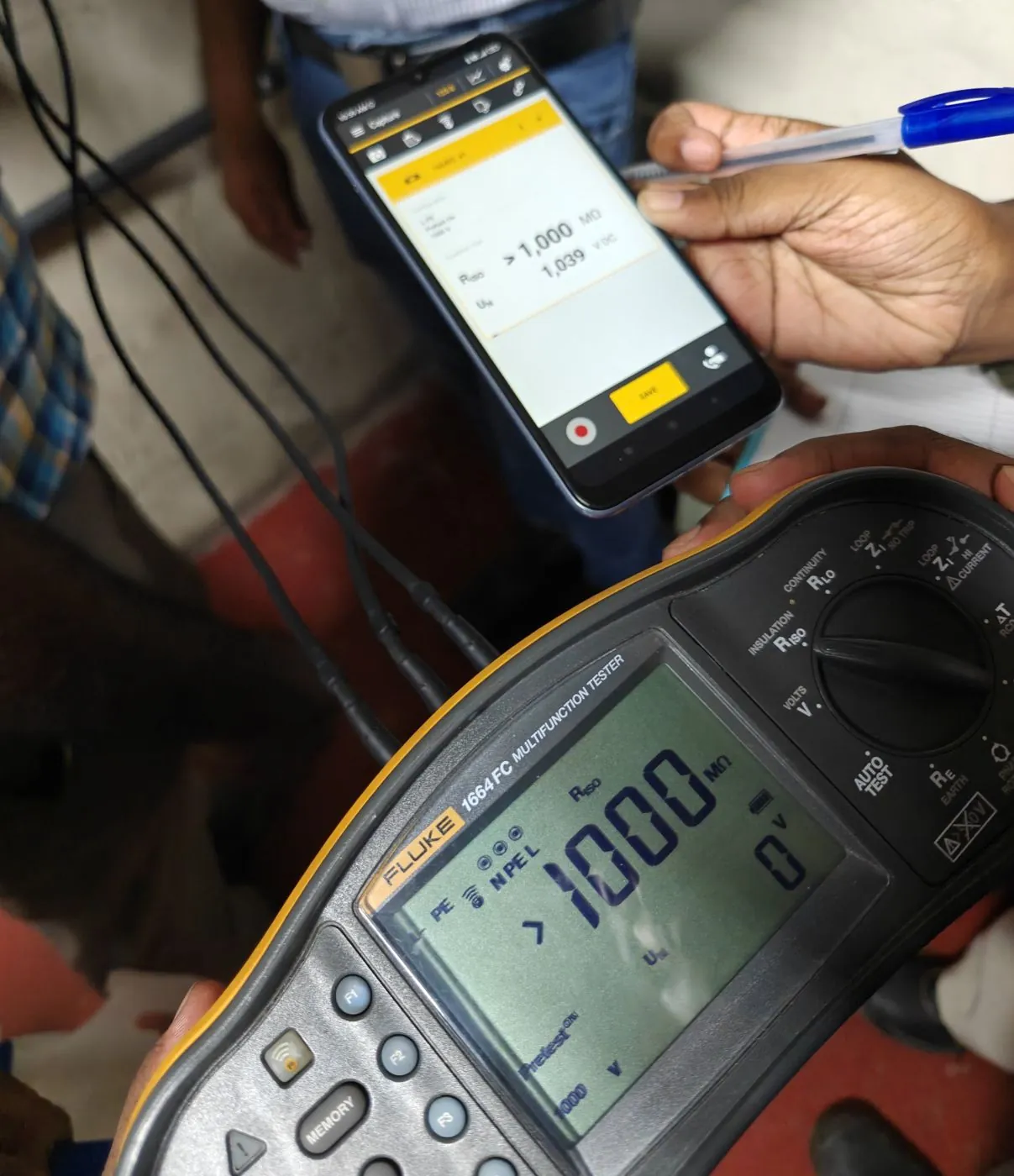
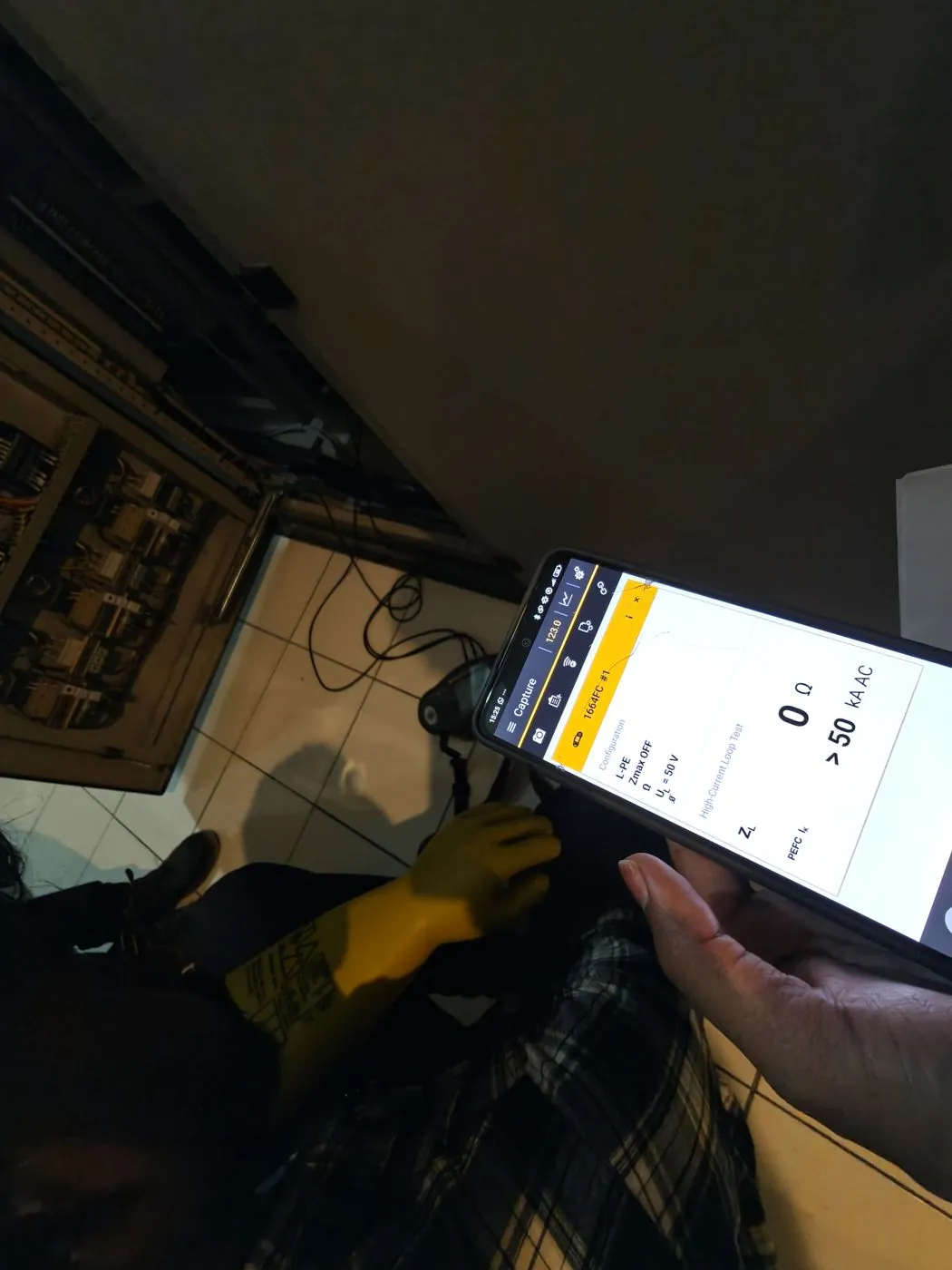
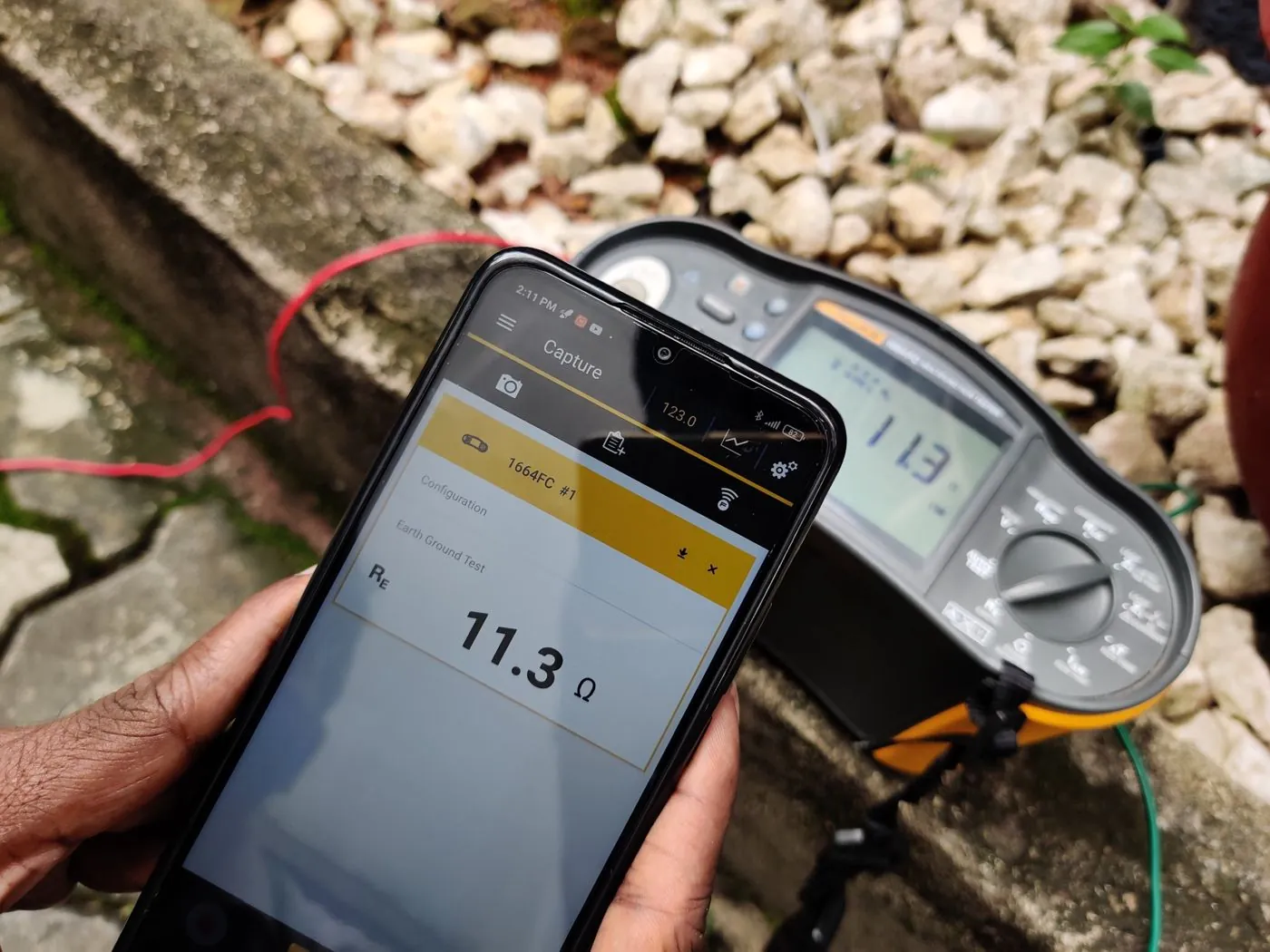
Our EICRs are carried out by chartered and qualified electrical engineers using calibrated instruments, under our ISO 9001:2015 quality management system. A typical inspection covers:
How often should an electrical installation be tested?
The right interval depends on the type of premises, how hard the installation works, and its age and condition. The table shows the maximum intervals we recommend. The inspecting engineer can set a shorter interval based on what they find.
| Type of premises | Maximum interval | Basis |
|---|---|---|
| Industrial premises and factories | 1 year | Vibhawa recommendation |
| Swimming pools and similar special locations | 1 year | IET Guidance Note 3 |
| Places of public entertainment | 1 to 3 years | IET Guidance Note 3 |
| Commercial premises (offices, shops) | 5 years | IET Guidance Note 3 |
| Rented residential property | 5 years, or at change of tenancy | IET Guidance Note 3 |
| Owner-occupied homes | 10 years | IET Guidance Note 3 |
Why annual testing for factories? IET Guidance Note 3 allows industrial premises up to 3 years between inspections. In Sri Lanka we recommend every year. High ambient temperatures, humidity, dust and lint, and plant that runs around the clock age an installation faster than the guidance assumes. A loose termination that develops over twelve months in a hot switchroom can become a fire long before a three-year inspection comes round.
Any of these should push a building towards a shorter interval:
- An older installation, or one with a history of faults
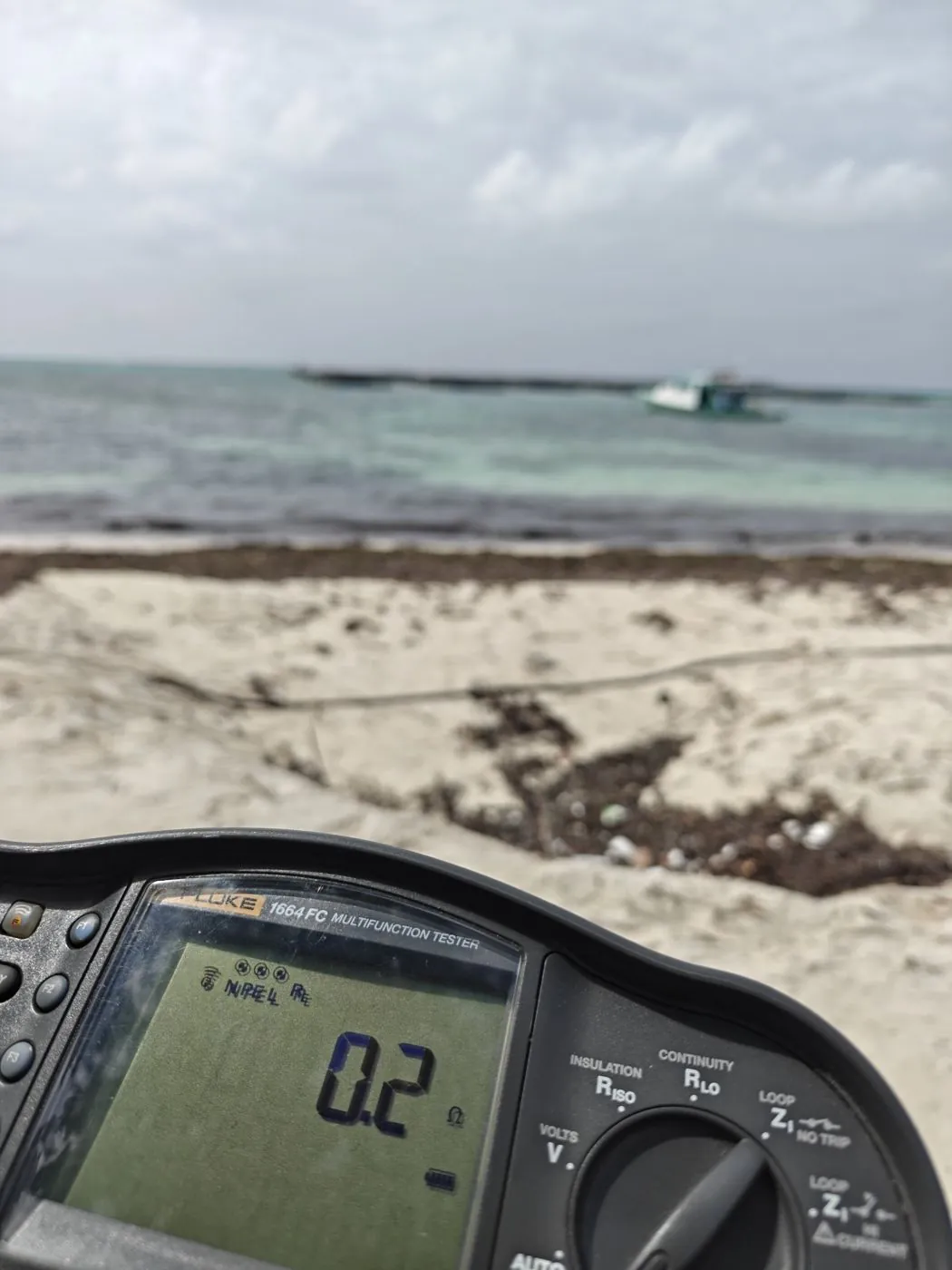
- Harsh conditions, such as heat, moisture, dust or a coastal location
- Equipment that runs continuously or near full load
- Unexplained trips, overheating, or C2 findings in an earlier report
- No previous inspection on record
Testing the same factories every year
Most of our industrial clients book their electrical safety audit annually. These are the longest-running:
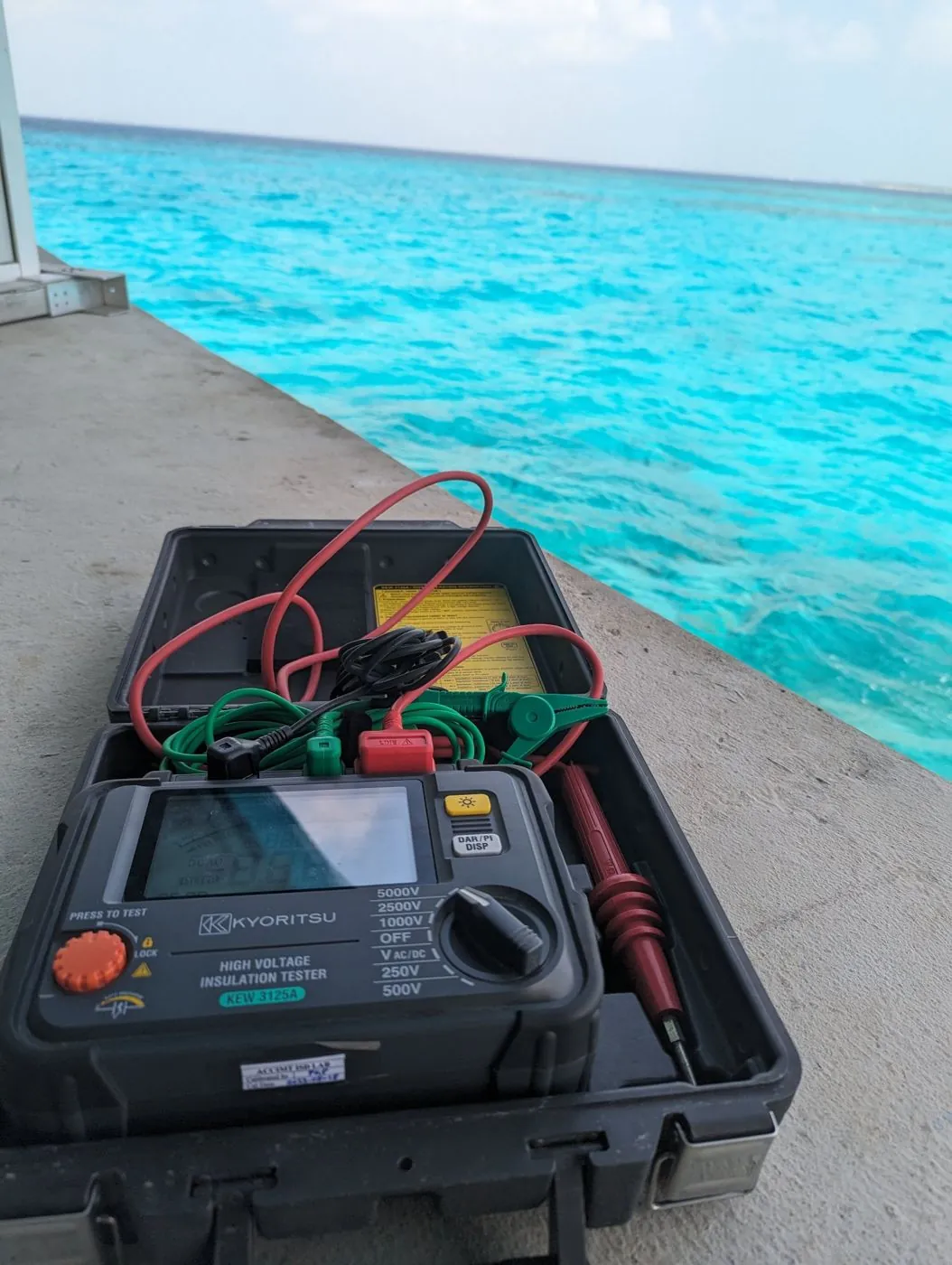
We carry out the same audits for island resorts in the Maldives, including Taj Exotica Resort & Spa and Conrad Maldives Rangali Island. The full list is on our projects page.
What happens if periodic testing is skipped?
Most electrical deterioration cannot be seen from the floor. Insulation ages, terminations loosen with heat cycling, and earth connections corrode. Without periodic testing these faults stay hidden until they cause a trip, damaged equipment or a fire.
There is a paperwork risk too. If an incident happens, a current EICR is your evidence that the installation was being maintained. Without one, that is hard to show to an insurer, an investigator or a client auditor.
What should an EICR report include?
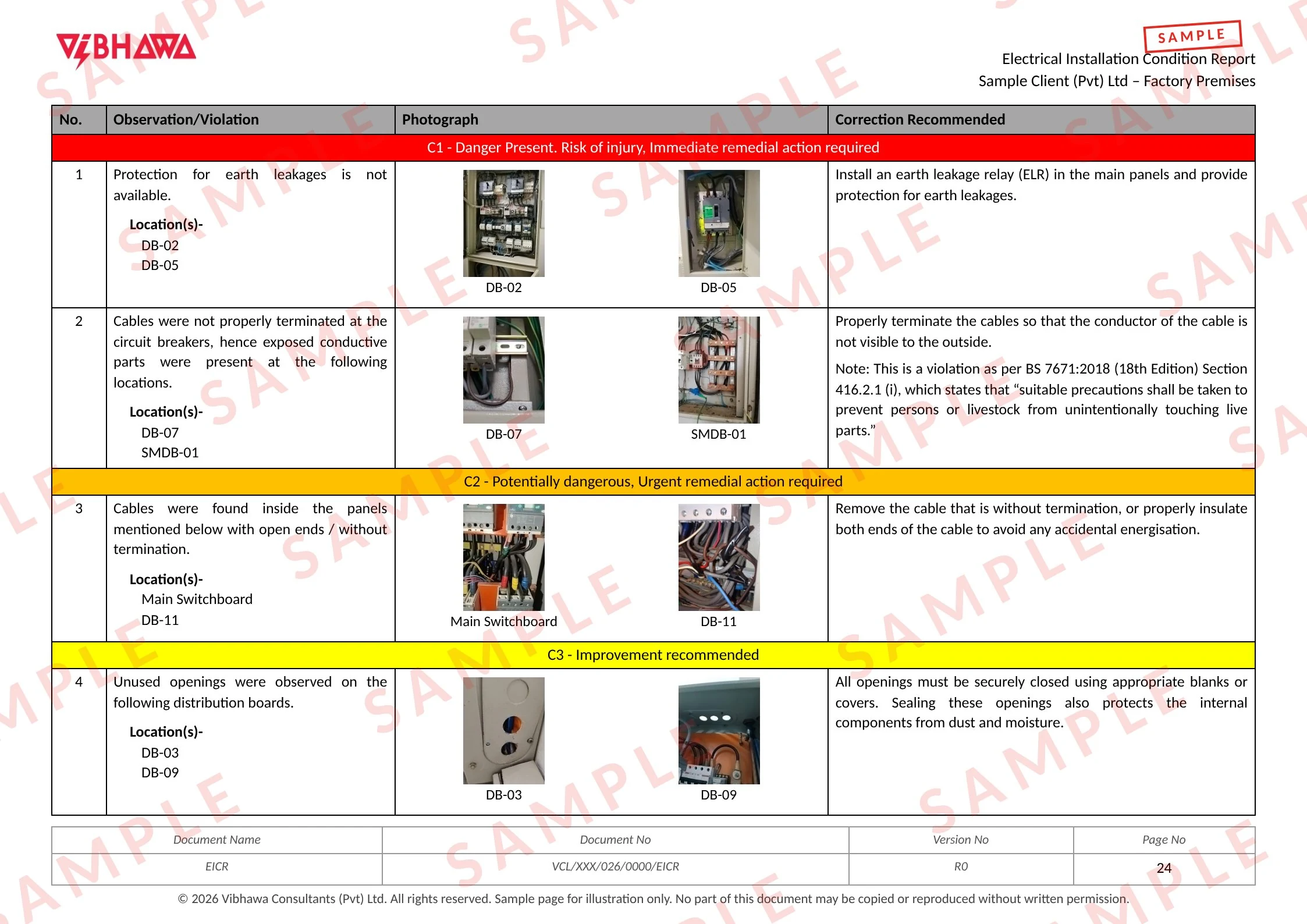
A proper report is more than a pass or fail. Every defect found is recorded with a classification code:
A report with no codes, or only C3 codes, is satisfactory. Any C1, C2 or FI makes it unsatisfactory until the defect is fixed.
Each Vibhawa EICR contains:
- An executive summary with the overall result and the testing dates
- The inspection schedule, item by item
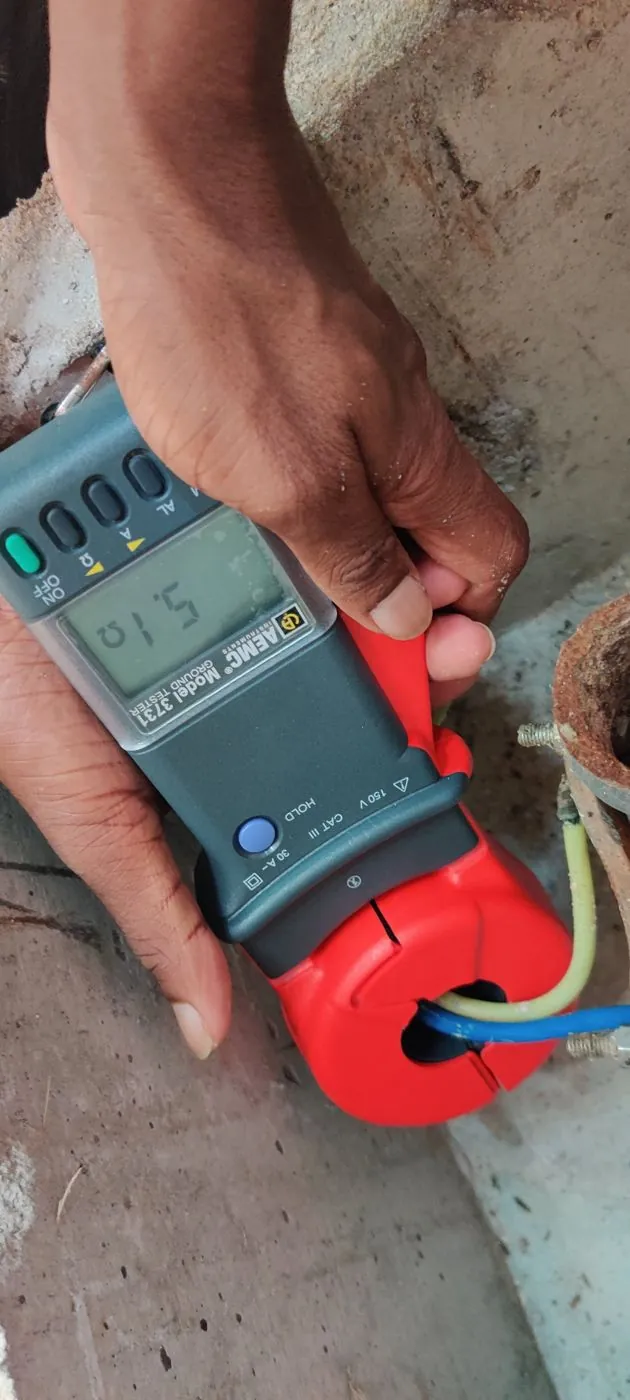
- A schedule of test results: loop impedance at the main switchboard and each sub distribution board, RCD trip tests, earth resistance and cable insulation resistance
- Every observation with its code, a photo, its location and the recommended fix
- The recommended date of the next inspection
- Calibration certificates for the instruments used
The report also states the extent and limits of the inspection, such as areas that could not be accessed or circuits that could not be isolated.
EICR or electrical safety audit: is there a difference?
In Sri Lanka the two terms are used for the same report. BS 7671 calls it an EICR, while most clients ask for an electrical safety audit. When an audit covers more, it is because tests beyond the BS 7671 schedule have been added to the scope, for example:
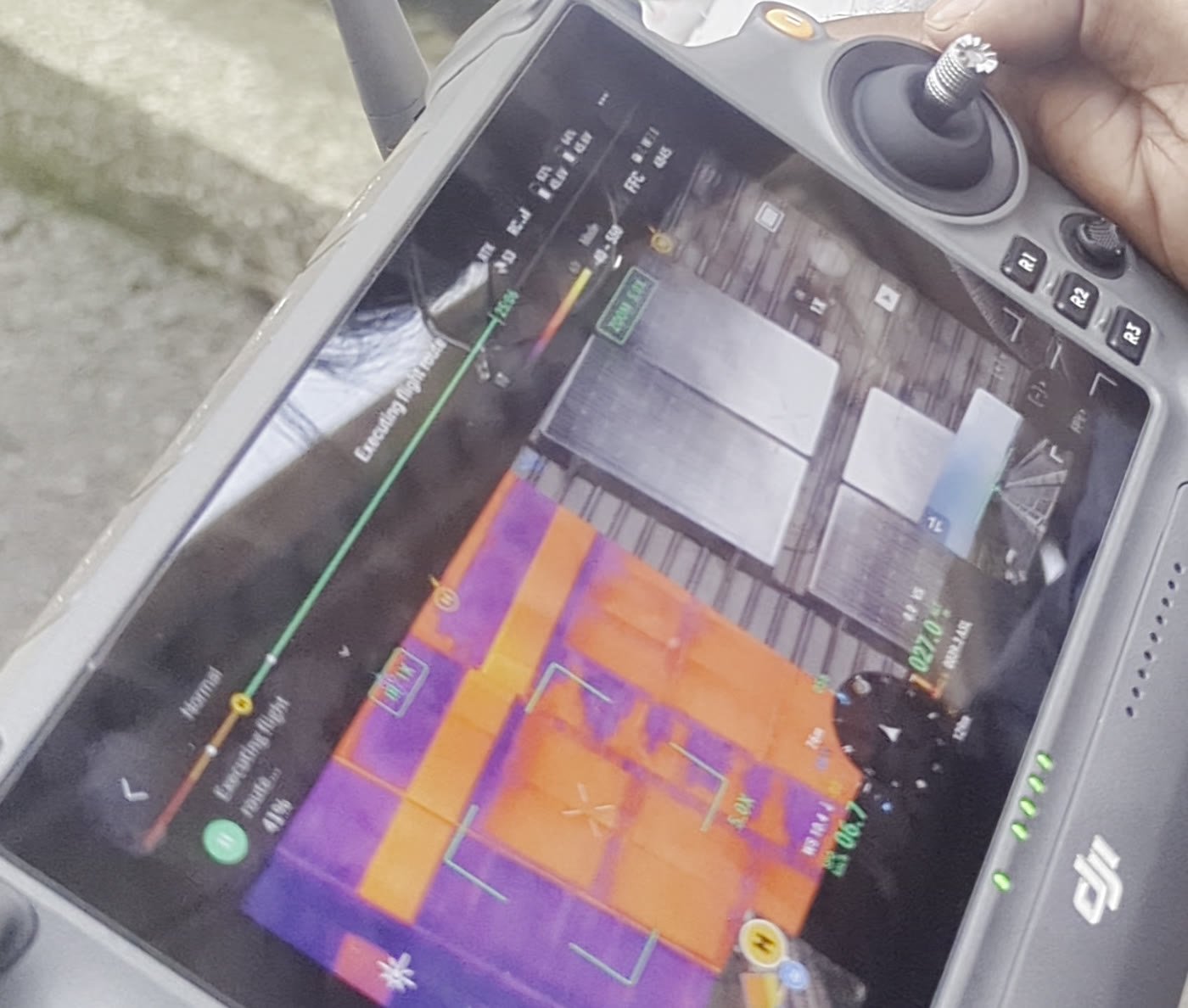
- Infrared thermography of switchboards and connections under load, to find hot joints while the plant keeps running. See our specialist arm, thermography.lk.
- Arc flash study, which calculates the incident energy at each board and sets the safe working distance and PPE level.
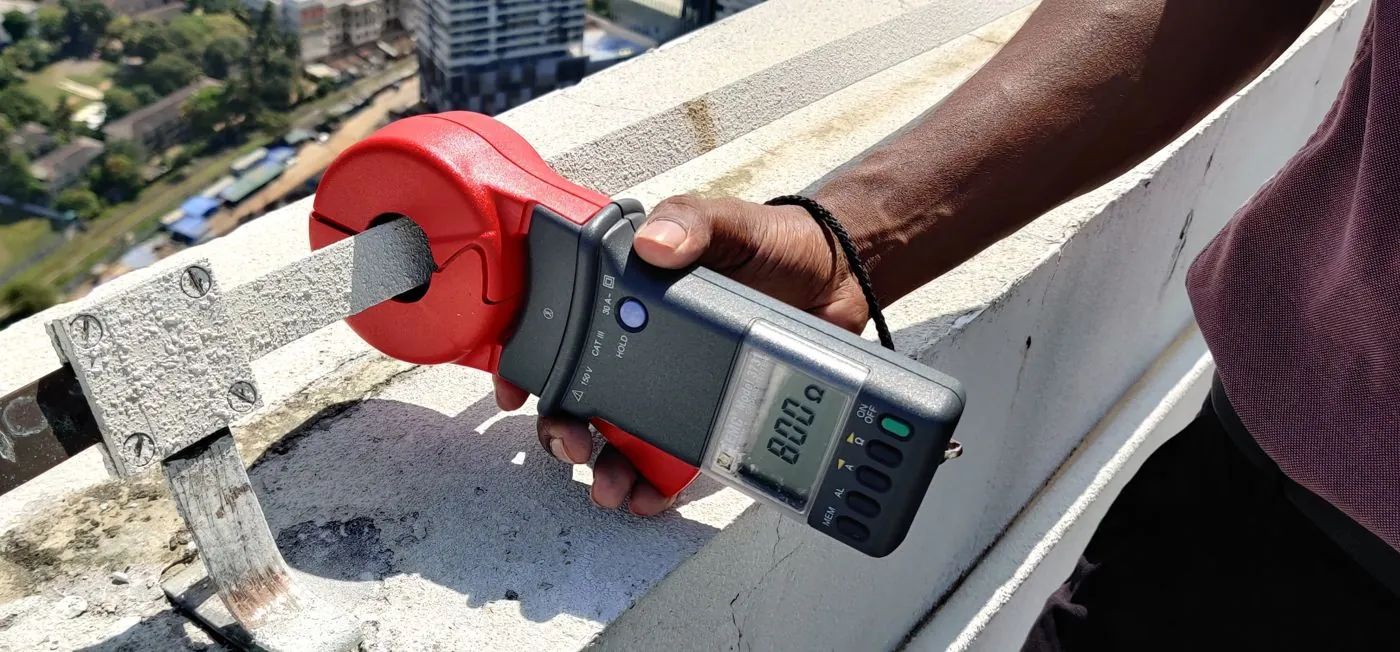
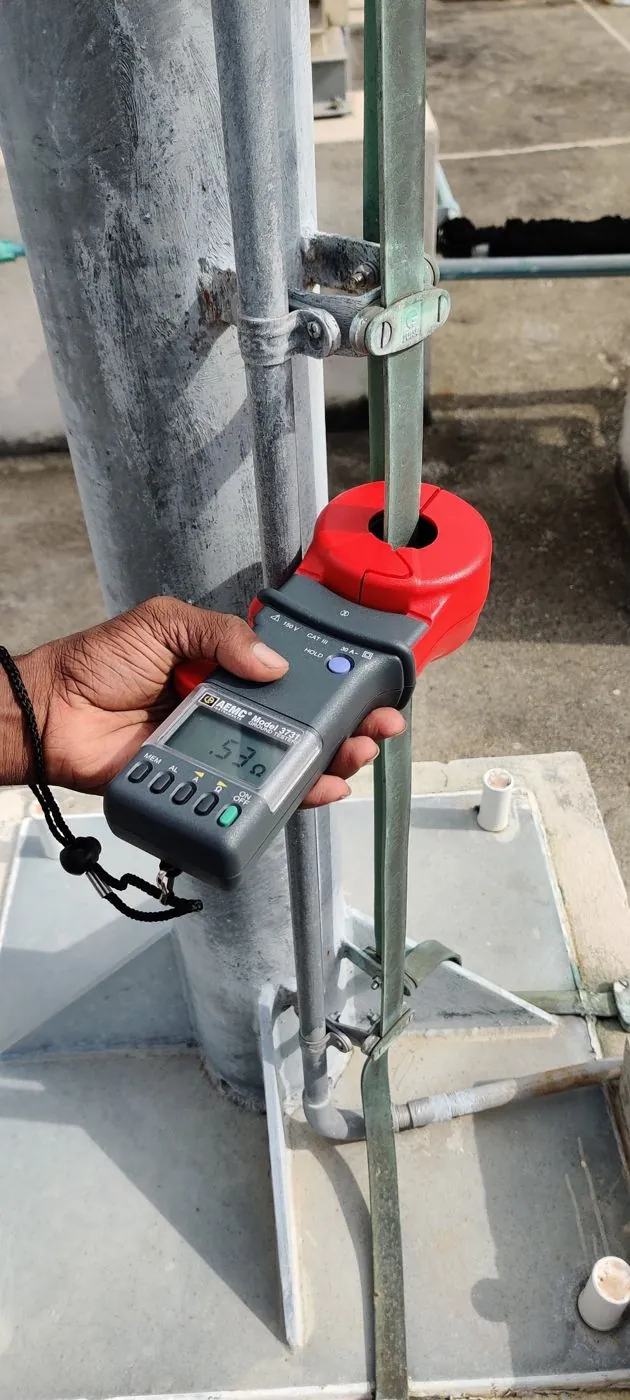
- Earthing and lightning protection testing to IEC 62305.
Our electrical safety audit service page explains how we scope this. For new installations and MV systems, see MV and LV testing.
Is your building due for testing?
Tell us the type of premises, its size and when it was last tested. We’ll recommend the right scope and give you a quote.
Frequently asked questions
Is an EICR the same as an electrical safety audit?
Yes. In Sri Lanka, an EICR is commonly called an electrical safety audit. Both are an inspection and test of an existing installation to BS 7671, with defects coded C1, C2, C3 or FI.
Is an EICR required in Sri Lanka?
Electrical installations in Sri Lanka are required to conform to BS 7671 under Regulation 71 of the Electricity (Safety, Quality and Continuity) Regulations, 2016, which continue in force under the Sri Lanka Electricity Act, No. 36 of 2024. An EICR is how BS 7671 records that an installation in use still meets that standard. Your insurer, lease or a client audit may also set a testing interval, and we can check those requirements for your premises.
How often should a factory be tested?
We recommend every year for industrial premises in Sri Lanka. IET Guidance Note 3 allows up to 3 years, but heat, humidity, dust and continuous operation wear an installation faster here.
How often should an office building be tested?
Commercial premises should be tested at least every 5 years, and sooner if the installation is old, heavily loaded or has a history of faults.
What happens if the EICR finds a fault?
Each defect is coded by urgency, from C1 (danger present) to C3 (improvement recommended). The report tells you what was found, where it is, how urgent it is and how to fix it. Any C1 is made safe on the day.