October 18, 2026

Before a new installation is energised, we test it: every board, cable, transformer, protection relay and earthing system, from LV switchboards to 33 kV substations. We are not the installer, so the report you get is an independent record that the system was built to the drawings and is safe to switch on. A Chartered Electrical Engineer signs it, and the work runs under our ISO 9001:2015 quality system.
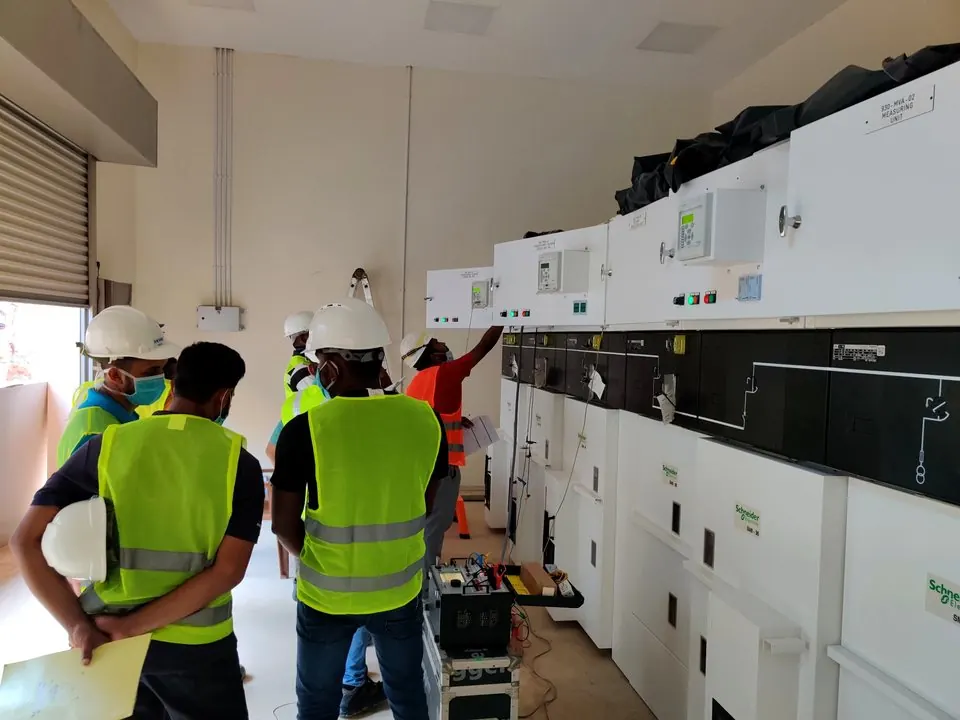
Testing checks the parts. Commissioning proves the system. Both happen before anyone throws the switch.
Testing proves each part of a new electrical installation on its own: that the insulation holds, the earths are connected, the circuit breakers trip, the transformer ratio is right and the protection operates at its setting. Commissioning proves the parts work together as a system and takes it, step by step, from dead to live and loaded. Together they are the evidence that an installation was built to the design and is safe to energise.
A new installation can look finished and still not be safe to switch on. Wiring errors, a CT connected the wrong way round, a relay left on factory settings, a missing bond or a cable terminated on the wrong phase do not show on a visual inspection. The first time anyone finds out is at energisation, or at the first fault, when a transformer or a switchboard pays for it.
Testing and commissioning is done before the installation goes into service, and again after a major change: a new transformer or feeder, a replaced switchboard, a solar plant or generator added to the network. For rooftop solar connecting to the CEB or LECO network, the utility requires commissioning tests, witnessed by its engineer, before the plant may run in parallel with the grid.
The scope is written around the installation, not a standard checklist. A 33 kV substation, a factory LV switchboard and a solar plant connection each need a different test plan.
Six stages, agreed with you and your contractor before we arrive, so the test days fit the construction programme rather than fight it.
Single-line diagrams, panel drawings, equipment specifications, factory test reports and the protection settings. From these we write the inspection and test plan, so everyone agrees what will be tested and what passing looks like before anyone is on site.
A walk-down of the installation against the drawings before any instrument comes out. Loose terminations, missing bonds and wrong cable sizes are found and listed for the contractor.
LV, MV, transformer and protection tests in a sequence that works around the contractor's programme, on calibrated instruments. Results are compared with the design values and the settings schedule as we go.
Anything that fails is reported the same day with what has to change before energisation. Once the contractor has corrected it, the item is tested again and the record updated.
A written energisation sequence, agreed with you and the contractor; utility-witnessed tests for grid-connected plant; load checks once the system is live.
Test reports, the completed inspection and test plan and the commissioning record, signed by a Chartered Electrical Engineer, in plain language your management and facilities team can follow.
LV work follows BS 7671. MV switchgear, transformers and protection are tested to the relevant IEC standards and the manufacturer's commissioning procedures. Where results need deeper analysis, or the settings themselves are in question, we model the network in ETAP: see power system studies.
Most of our commissioning work comes from one of three places.
Owners and developers who want an independent check before they accept an installation from the contractor and pay the final certificate. The report becomes the baseline for every future audit of the site.
Electrical contractors and EPCs who need the testing and commissioning done by a third party, with a Chartered Electrical Engineer's signature, because the client, the consultant or the utility requires it. We work alongside your team and plan the test days around your programme. At the Jaffna desalination plant we were the independent testing and commissioning consultant, working with IIAL as electrical contractor under Suez as main contractor, on the 33 kV and 400 V system and its power transformers.
Solar and generation developers who need the interface protection configured, tested and then demonstrated to the CEB or LECO before the plant is allowed to export. We prepare the plant for the witness visit and run the test again in front of the utility's engineer.
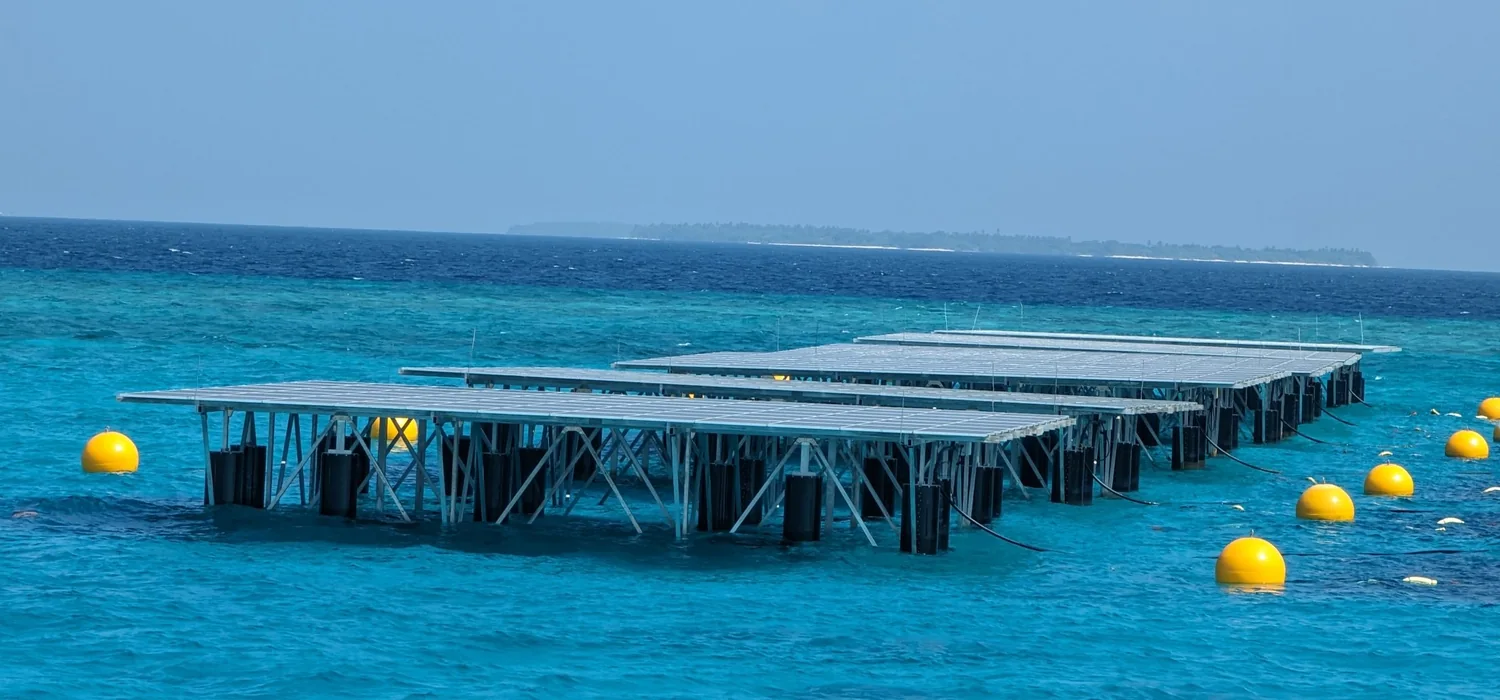
The floating solar plant at Cheval Blanc Randheli connects to the resort through an offshore 11 kV substation built on piles in open water, a subsea cable and an onshore substation. Vibhawa designed the substations, modelled the network in ETAP and ran the protection coordination study, then tested and commissioned the 11 kV and LV system before the plant was energised into the resort's live network.
The commissioning covered the switchgear, the transformers, the earthing system of the offshore substation and a neutral voltage displacement earth-fault scheme designed for a network that cannot rely on a large fault current. Every protection relay was injected and timed on site, and the trip of each circuit breaker was confirmed, with the resort running throughout.
Industrial plants, power plants, water infrastructure, ports, hotels and high-rise buildings, in Sri Lanka and the Maldives. Completed projects only.
| Project | What we tested and commissioned | Year |
|---|---|---|
| Jaffna seawater desalination plant (Suez · IIAL) | Independent testing and commissioning of the 33 kV and 400 V system, including the power transformers and protection. Read the project → | 2023 |
| Cheval Blanc Randheli, Maldives (with SWIMSOL) | Testing and commissioning of the 11 kV and LV system of the offshore and onshore substations serving a floating solar plant in open sea, after the design and coordination study | 2022–24 |
| Global Rubber Industries, Badalgama | 33 kV system for a new 12.5 MW factory: the 33 kV panel and five 2.5 MVA transformers, three of them k-rated dual-secondary units feeding 12-pulse drives; annual testing since | 2020–26 |
| Ace Power 10 MW waste-to-energy plant | 33 kV and 11 kV system of Sri Lanka's first waste-to-energy plant, with the coordination study and support for the utility grid connection | 2021 |
| Kelani Right Bank water supply project, stage 2 | 33 kV system including the power transformers, with the protection coordination study | 2020 |
| Colombo International Container Terminal (with Noble Key) | Two 2.5 MVA compact substations for the terminal's EV charging area, designed, tested and commissioned by Vibhawa | 2025 |
| ASK Engineering, Horana | 33 kV commissioning of a solar plant connection, with the interface relay test witnessed by the CEB | 2025 |
| Tokyo Cement | Installation supervision, testing and commissioning of an 11 kV panel | 2021 |
| Milco, Badalgama | 2.5 MVA transformer and ring main unit | 2021 |
| Sheraton Kosgoda Turtle Beach Resort | Power distribution and ELV systems: troubleshooting, testing and commissioning for the hotel opening | 2019–21 |
| Colombo Lotus Tower (for Access Telecom) | Power supply system to the tower's data communication network | 2019–20 |
Also: main LV panels for the Sri Jayewardenepura General Hospital staff building and the Access SLT research centre (2020), and 22 kV compact modular substations designed and tested in Sri Lanka for an Australian client before shipment. All projects →
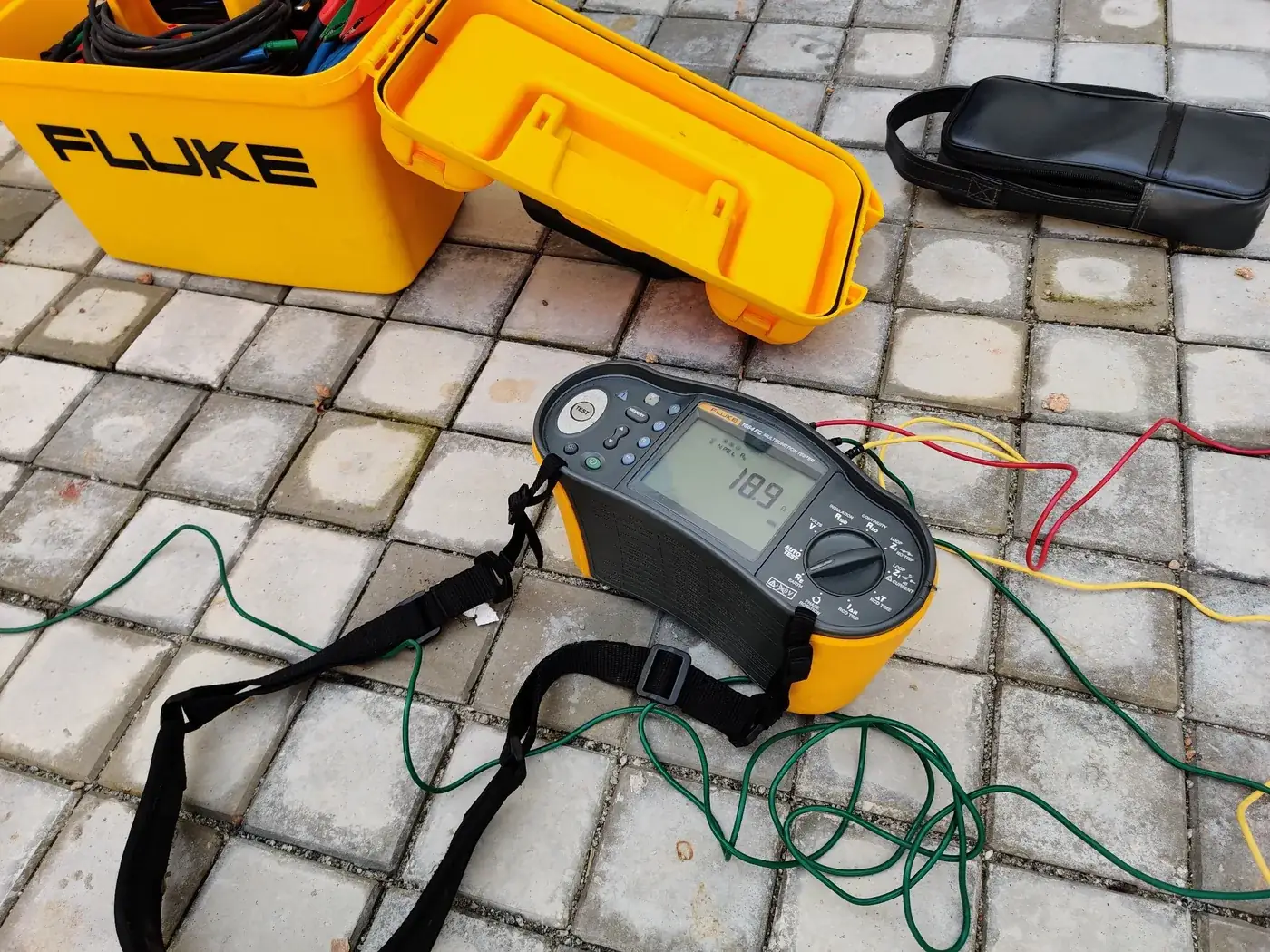
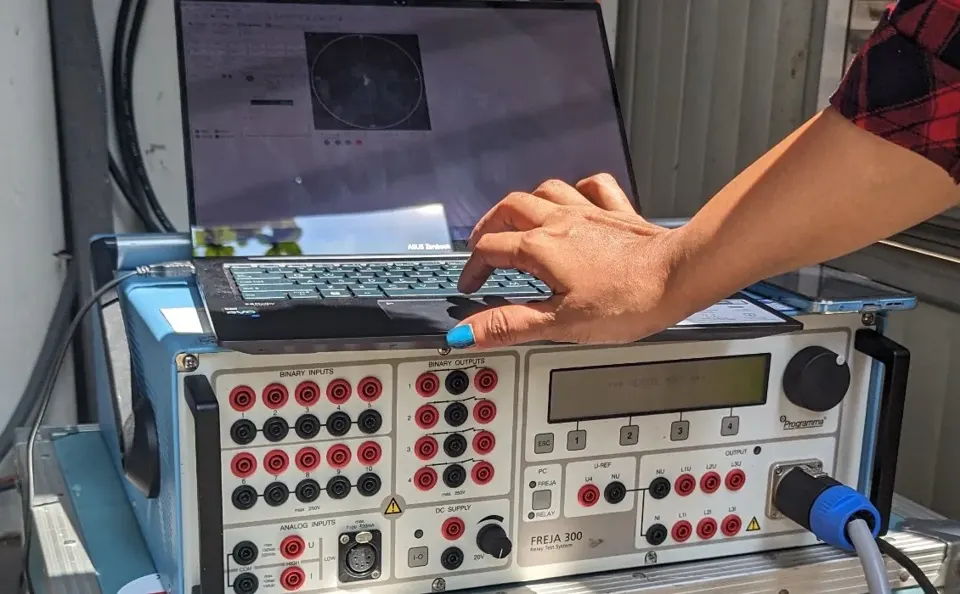
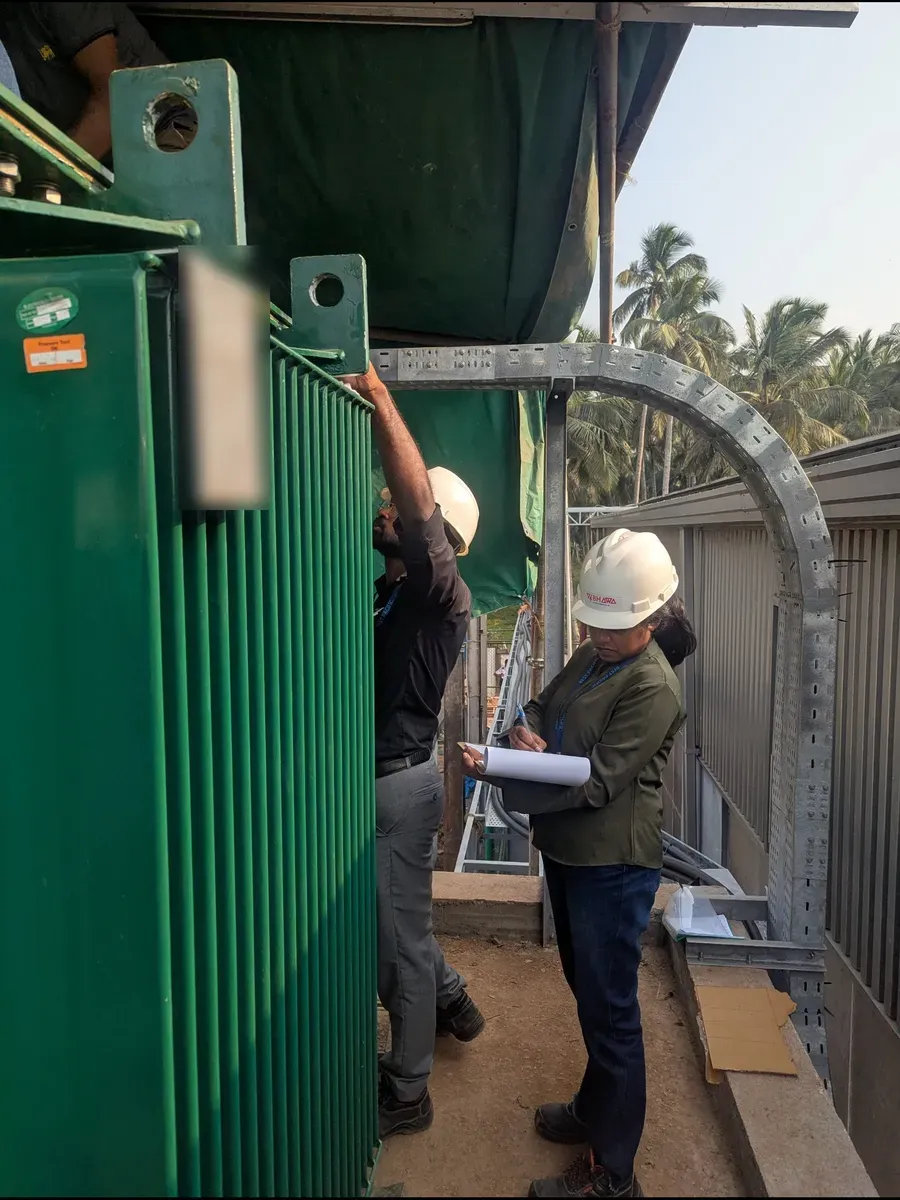
All instruments are calibrated, and the calibration certificates travel with the report.
Commissioning is the start of an asset's record. These services continue it.
Relays, CTs and VTs, trip circuits and circuit breakers, by secondary and primary injection, so a fault is detected and cleared in time.
Explore →Periodic testing of MV (up to 33 kV) and LV systems already in service: insulation, contact resistance and condition.
Explore →Insulation resistance, winding resistance, turns ratio and oil BDV, at commissioning and through the transformer's life.
Explore →A QR-coded condition record for each asset once it is in service, so every later test is logged against the commissioning baseline.
Explore →Average rating from our Google reviews — clients across Sri Lanka and the Maldives. Read them on Google →
Open a question to read the answer. If yours is not here, ask us — the scope call is free.
Before a new installation or a major upgrade is energised, and whenever the person connecting it asks for proof: the owner, the consultant, the insurer or the utility. For rooftop solar connecting to the CEB or LECO network, the utility guidelines require commissioning tests, witnessed by the utility, before the plant may operate in parallel with the grid. Larger plants follow the CEB's grid connection requirements.
Testing proves individual items against a pass or fail value: an insulation resistance, a loop impedance, a relay operating time. Commissioning proves the installation works as a system and takes it into service in a controlled sequence: functional checks, interlocks, energisation, load checks and handover. Testing is part of commissioning; commissioning is more than testing.
It depends on the voltage level and the number of boards, transformers, feeders and relays. A single LV main switchboard is usually a day on site; a 33 kV substation with transformers and protection is several days, spread across the contractor's programme. Send us the single-line diagram or a site description and we will give you a day count. Contact us for a timeline specific to your project.
Yes. You receive the test reports, the completed inspection and test plan and a commissioning record, signed by a Chartered Electrical Engineer. They are written so that management, finance and facilities teams can follow the findings alongside your engineers, and we will talk you through the results if you want them explained.
We report it the same day, with what has to be corrected before the system can be energised. Once the contractor has made the correction, we test the item again and the record is updated. How a fault is handled depends on its type, so we agree the next step with you rather than assume it. Our protection relay testing guide shows how this works for protection systems.
Yes, and most of our commissioning work is done that way. At the Jaffna seawater desalination plant we were the independent testing and commissioning consultant for the 33 kV and 400 V system, working alongside IIAL, the electrical contractor, under Suez, the main contractor. Tell us who is installing and when, and we plan the testing around their programme.
LV installations are tested to BS 7671, the standard Sri Lanka's electricity safety regulations call up. MV switchgear, cables, transformers and protection relays are tested to the relevant IEC standards and the manufacturer's commissioning procedures. The pass values come from the design and the equipment data, and they are written into the test plan before we start.
Yes, with our own engineers and instruments. We tested and commissioned the 11 kV and LV system of the floating solar plant at Cheval Blanc Randheli, and resort electrical work is part of our regular Maldives programme. Our Maldives work →
Yes. The same team does electrical design, ETAP modelling, protection coordination studies and arc flash studies, so the settings we test are the ones the network needs. See power system studies and electrical consultancy.
Single-line diagrams, design documents and anything else you have on the project. If we need more information, we will visit the site or ask for a meeting with you or your client. Then we will tell you how many days on site, what will be tested at each stage, and what it costs.
At Vibhawa, we offer state-of-the-art Electrical Consultancy, Testing, Condition Monitoring and Engineering Services designed for the needs of tomorrow’s world.
Electrical Testing
Infrared Thermography
Electrical Consultancy
Electrical Design
Compliance Monitoring
Other Services
© 2025 Vibhawa Consultants. Site By Remnis Global