How Thermography Surveys Prevent Electrical Fires in Chemical Warehouses
Chemical warehouses carry a higher fire risk because flammable liquids, vapours, packaging materials, and electrical systems often operate within the same facility. In this environment, a small hidden fault can become serious if it is not found early.
A loose connection, overloaded breaker, overheating cable, or ageing electrical component may continue working without any visible warning. The panel may look normal, while heat is already building inside.
A thermography survey helps detect abnormal heat before visible damage appears. For businesses looking for infrared thermography inspection in Sri Lanka, it is a practical way to identify electrical fire risks, plan repairs, and protect people, stock, and operations before a fault escalates.
What is a Thermography Survey?
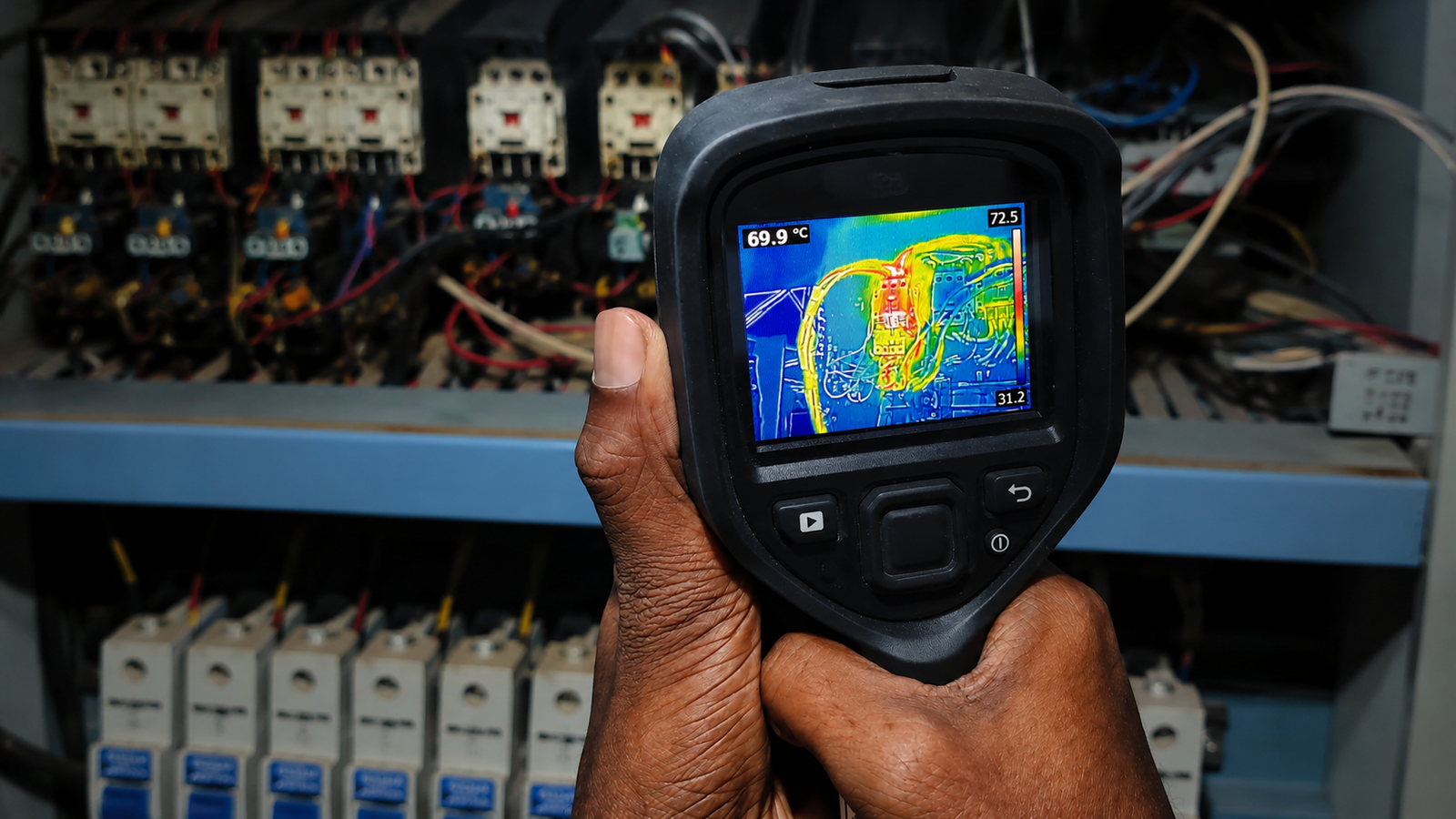
A thermography survey is a non-contact inspection carried out using an infrared thermal imaging camera.
The camera detects heat patterns in electrical and mechanical equipment while the system is operating. A trained thermographer then reviews the images to identify abnormal temperature differences.
These temperature differences may indicate:
- Loose electrical connections
- Overloaded circuits
- Unbalanced electrical loads
- Damaged or ageing components
- Poor ventilation inside panels
- Developing electrical faults
Thermography is most useful when equipment is live and operating under normal or meaningful load. This is important because some electrical faults only appear when current is flowing through the system.
A panel may look safe when switched off, but show clear overheating during normal operation.
Why Chemical Warehouses Have Higher Electrical Fire Risk
Every fire needs heat, fuel, and oxygen.
In a chemical warehouse, fuel may already be present through stored chemicals, vapours, cardboard packaging, plastic containers, wooden pallets, drums, and other combustible materials. That makes heat control especially important.
Electrical systems can become ignition sources when they are not properly inspected or maintained. Common risks include:
- Loose or corroded cable connections
- Overloaded distribution boards
- Faulty breakers, contactors, or isolators
- Damaged cable insulation
- Poor cable terminations
- Overheating motors or pumps
- Lighting circuits exposed to dust, heat, or moisture
- Electrical panels placed close to storage areas
In a general commercial building, these issues may lead to breakdowns or repair costs. In a chemical warehouse, they can create wider risks for people, property, inventory, and business continuity.
How Thermography Surveys Detect Electrical Fire Risks
Thermography does not prevent fire by itself. Its value is in early detection.
It gives maintenance and safety teams clear evidence of where heat is building, so they can act before the fault becomes dangerous.
Electrical Hot Spots
Loose electrical connections are one of the most common causes of overheating.
When a connection becomes loose, resistance increases. Higher resistance creates heat. As the connection heats up, it can weaken further and create even more heat.
If ignored, this can lead to:
- Melted insulation
- Burnt terminals
- Electrical arcing
- Panel damage
- Fire ignition
A thermal image can reveal the hot spot before there is visible damage. The maintenance team can then inspect, isolate, and repair the issue before it becomes severe.
Overloaded Circuits
Chemical warehouses often change over time. New lighting, pumps, ventilation systems, sensors, battery chargers, office areas, or storage zones may be added to the existing electrical network.
If the system is not reviewed properly, some circuits may carry more load than they were designed for.
A thermography survey can show where breakers, cables, or panels are running hotter than expected. Engineers can then check whether the issue is caused by overload, poor distribution, incorrect equipment selection, or another fault.
This helps prevent electrical stress from turning into equipment failure or fire risk.
Load Imbalance
Many industrial warehouses use three-phase electrical systems. The load should be distributed evenly across the phases.
If one phase carries more current than the others, cables, breakers, transformers, and connected equipment can overheat. It can also reduce efficiency and shorten equipment life.
Thermography can show uneven heat patterns that may indicate load imbalance. This is useful in warehouses where equipment is frequently added, moved, or modified.
Why Visual Electrical Inspections Are Not Enough
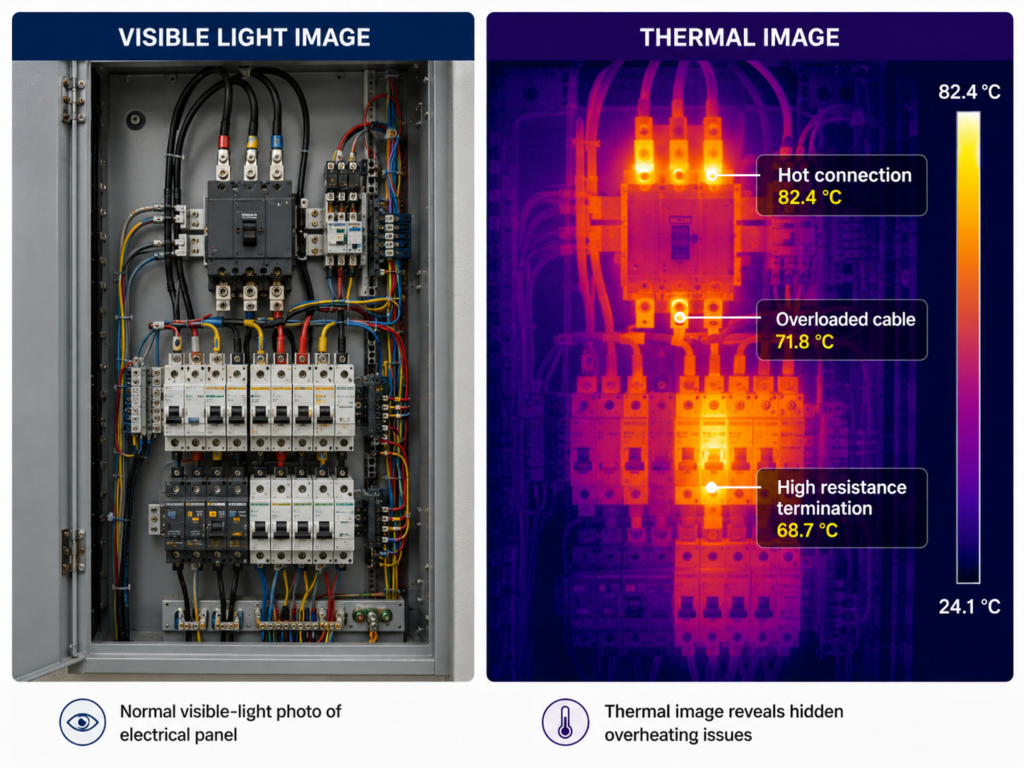
Visual inspections are still important. They can identify exposed cables, broken covers, corrosion, blocked panel access, poor housekeeping, and unsafe storage near electrical equipment.
However, visual checks cannot detect hidden heat.
A cable termination may look fine on the outside but still be loose. A breaker may appear normal but run hot internally and a panel may show no visible damage while one section is already overheating.
Thermography adds another layer to the inspection process by showing what the naked eye cannot see.
Key Areas to Inspect in a Chemical Warehouse
A good thermography survey should be planned around the warehouse layout, electrical distribution system, load conditions, and fire risk areas.
It should not be limited to a quick scan of the main electrical panel.
Key areas to inspect include:
- Main and sub-distribution boards
- Motor control centres
- Transformers
- Breakers and isolators
- Cable termination points
- Contactors and fuse holders
- Pumps and motors
- Ventilation and exhaust systems
- Lighting circuits
- Battery charging areas
- Electrical panels near chemical storage zones
For chemical warehouses, the inspection plan should also consider site permits, PPE, ventilation, access restrictions, hazardous storage areas, and safe working procedures.
The survey should be carried out under realistic load conditions. If it is done during low-load periods, some faults may not show clearly.
What a Good Thermography Report Should Include
A good thermography report should explain the issue clearly, not only show thermal images.
It should include:
- Thermal images and normal reference images
- Exact location of each issue
- Description of the fault
- Risk level or severity
- Likely cause
- Recommended corrective action
- Repair priority
For chemical warehouses, the report should be clear enough for engineers, safety officers, warehouse managers, and decision-makers to understand the risk and next step.
Thermography as Part of Electrical Fire Prevention
Thermography is valuable, but remember, it should not be your only safety measure.
Companies that invest in regular electrical system testing in Sri Lanka can further strengthen their maintenance strategy by combining thermography with transformer testing, earthing checks, lightning protection assessments, harmonic analysis, load studies, safety audits, and preventive maintenance.
Thermography identifies heat-related risks. Other tests may be needed to confirm insulation condition, earth resistance, power quality, protection settings, or system capacity.
This matters because electrical fire prevention depends on the full condition of the system, not only one inspection result.
Choosing the Right Thermography Inspection Partner
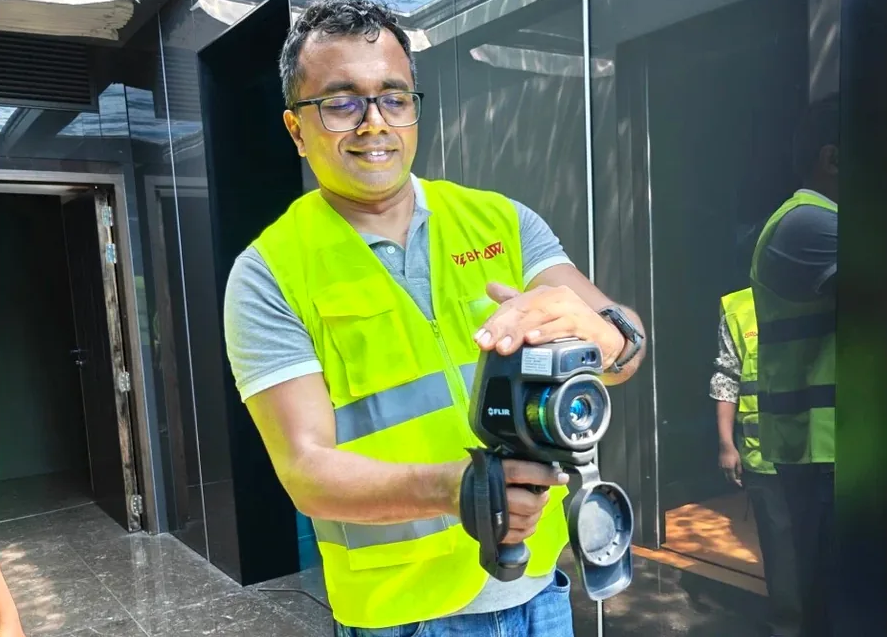
For businesses searching for infrared thermography inspection in Sri Lanka, the quality of interpretation matters.
A hot spot is useful only when the engineer can explain why it is happening, how serious it is, and what should be done next.
What a Good Inspection Partner Should Understand
A good inspection partner should understand:
- Electrical systems
- Industrial fire risk
- Operating load conditions
- Maintenance priorities
- Safety requirements in chemical storage environments
Thermography also works best as part of a wider electrical safety plan. Other tests may be needed to confirm insulation condition, earth resistance, power quality, protection settings, transformer condition, or system capacity.
Vibhawa’s Electrical Testing and Consultancy Capability
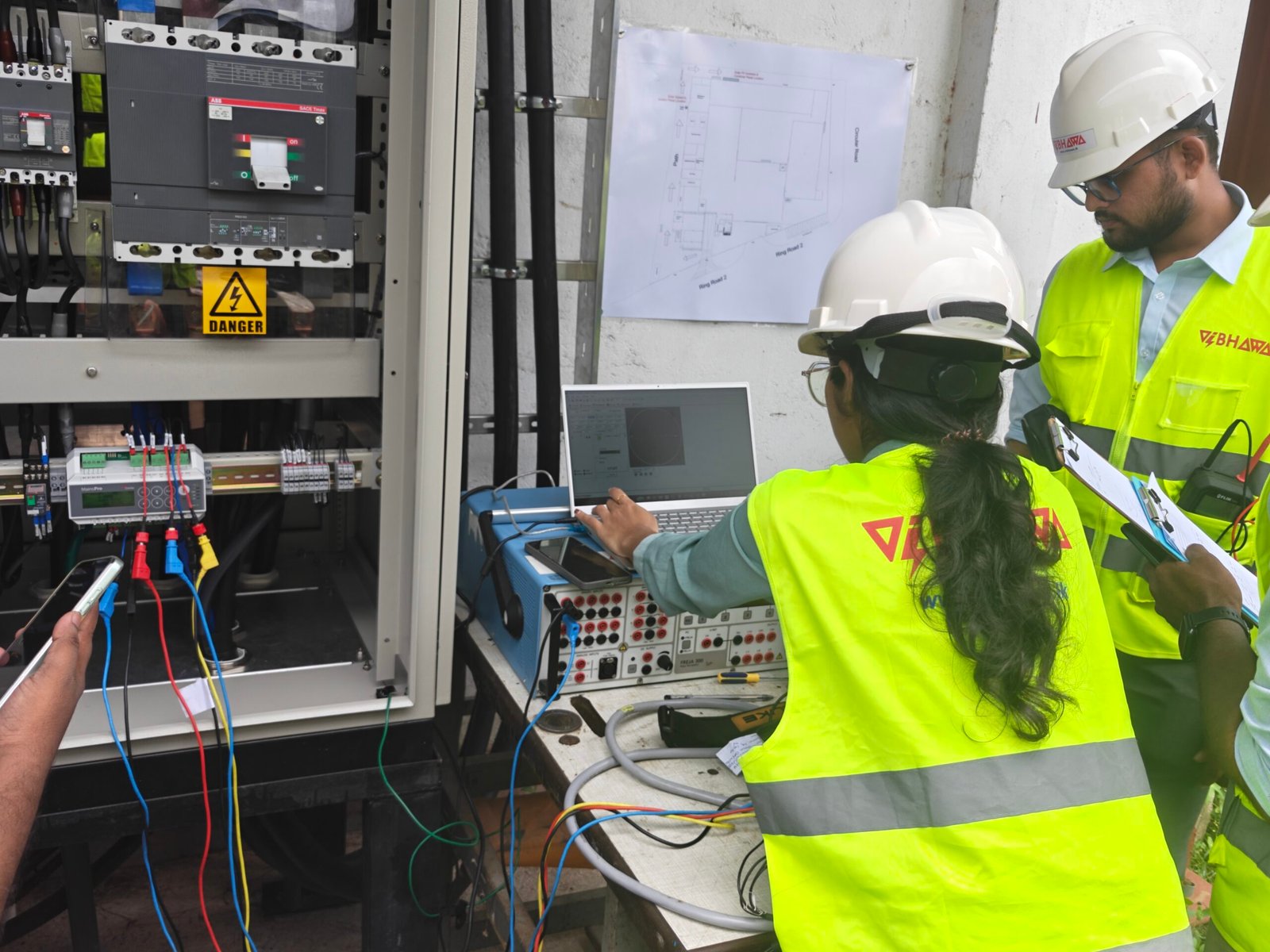
Being one of the leading electrical consultants in Sri Lanka, Vibhawa provides electrical consultancy, electrical testing, infrared thermography surveys, harmonic analysis, electrical system simulations, protection relay coordination, energy audits, and safety-related services for industrial and commercial facilities.
For chemical warehouses, this wider technical capability can help connect thermography findings with practical fire prevention and maintenance decisions.
This approach was also reflected in a guest lecture by Vibhawa’s CEO, Nadeera Wijesinghe, on Electrical Safety in Chemical Warehouse Operations and Management. The session covered warehouse manager responsibilities, the importance of qualified personnel, electrical audits, condition monitoring, and thermography surveys in preventing electrical fires.
Protect Your Chemical Warehouse from Hidden Electrical Fire Risks
Electrical fires in chemical warehouses begin with small, hidden faults. A loose terminal, overloaded breaker, ageing component, or unbalanced load can gradually become a serious fire risk.
At Vibhawa, our certified thermography specialists use advanced thermal imaging technology to identify overheating components, loose connections, overloaded circuits, and other hidden electrical risks before they lead to equipment failure or fire.
With extensive experience in industrial electrical inspections, testing, and condition monitoring, we help chemical warehouse operators improve safety, reduce unplanned downtime, and maintain reliable operations.
Contact Vibhawa today to schedule a professional thermal imaging inspection and take a proactive step toward protecting your people, assets, inventory, and business operations.