Solar health check: find the strings that are costing you yield
A solar plant rarely fails all at once. A string drops out, a connector heats up, a row of modules degrades, and the monitoring portal still shows a reasonable daily total. Our solar health check finds those losses in three steps: machine-learning analysis of your generation data, string by string; I–V curve testing on site with a solar PV analyser; and a drone thermography survey of every module. You get a ranked list of faults, where each one is, and how much energy it is costing you.

What the health check covers
Three methods, each finding what the others miss. The data analysis tells us where to look, the tests on site tell us why, and the thermal survey catches module faults that never show up in the numbers.
How a health check runs
Send the data
A year of generation data from the monitoring portal, the string layout and the single-line diagram. We tell you within a few days which strings and areas look wrong.
Plan the visit
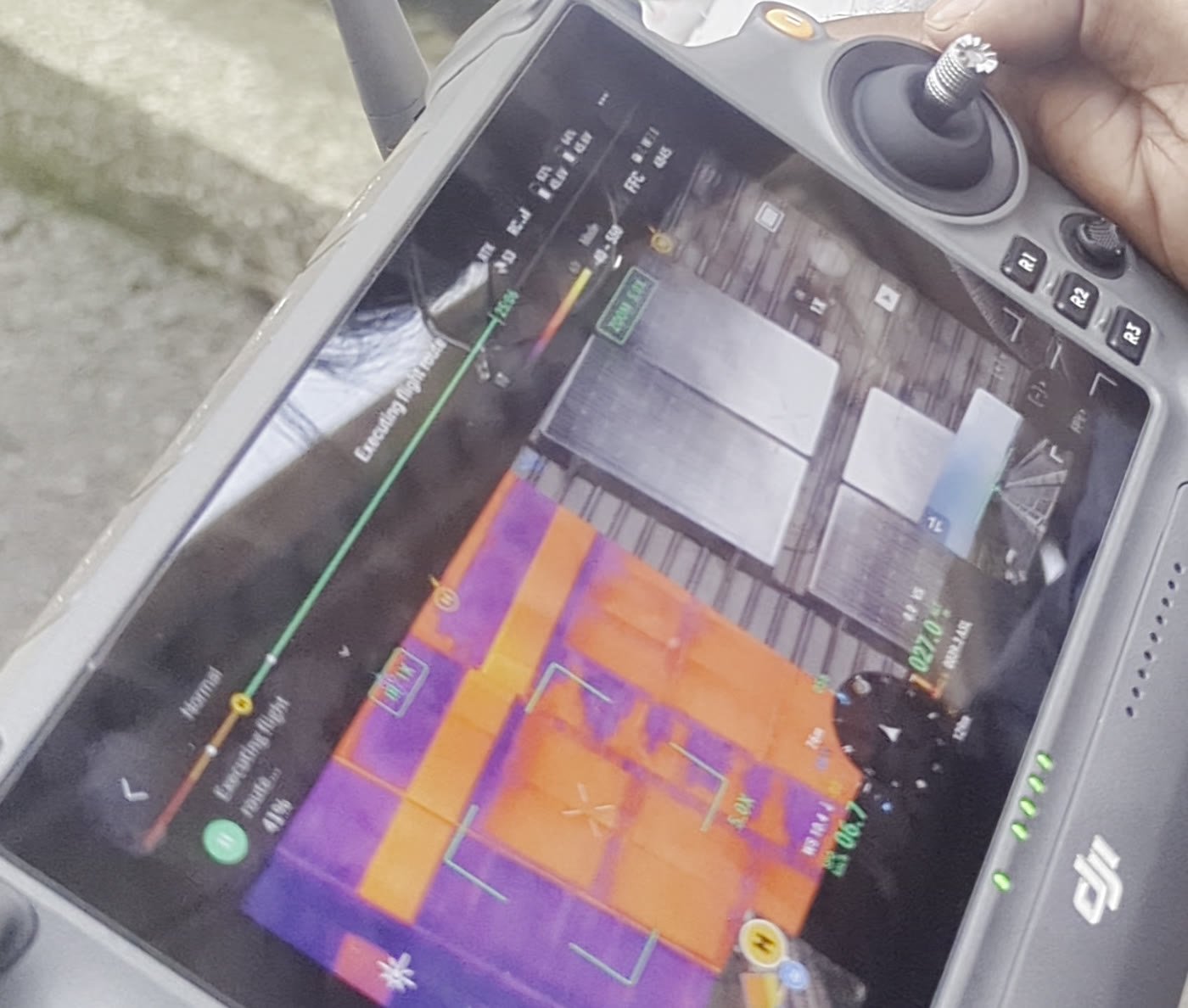
The analysis decides where the site time goes: which strings get I–V curves, which areas need a closer look, and a flight plan for the drone on a clear, bright day.
Test on site
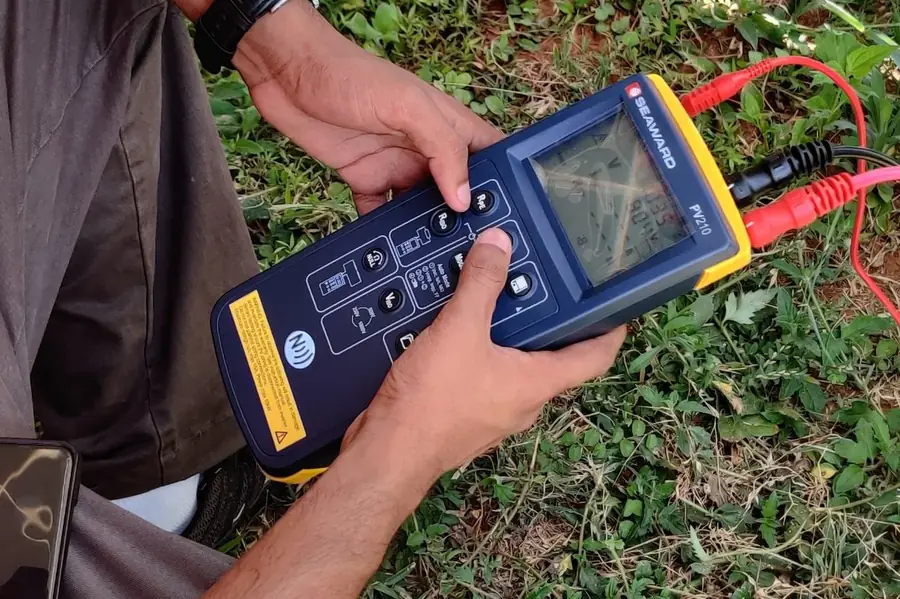
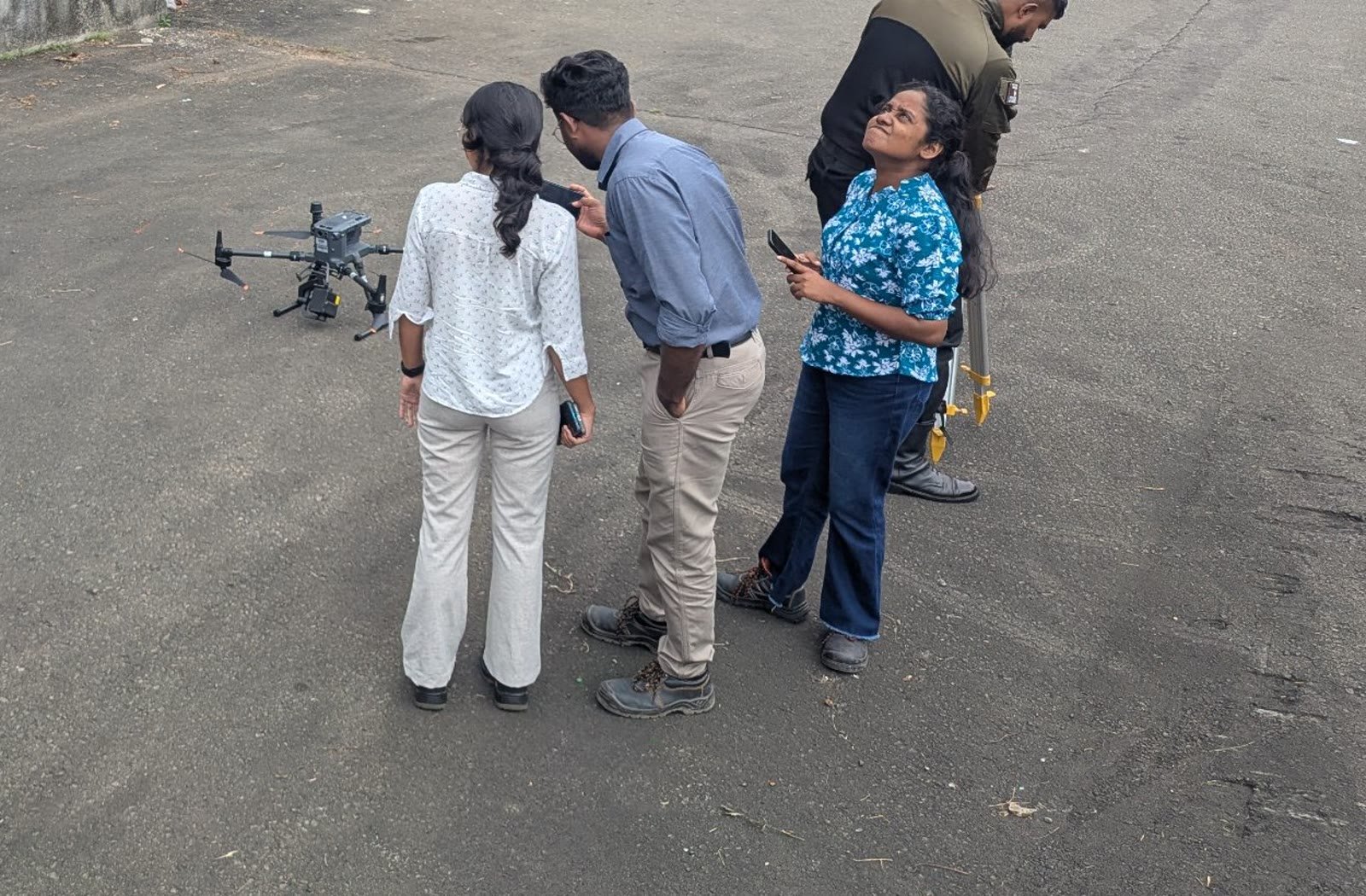
I–V curves and string measurements, the thermal flight, and an inspection of inverters, combiner boxes and connections, normally with the plant in service.
Report
Every fault located, classified and ranked by the energy it is costing, with the expected gain from fixing it. Signed by a Chartered Electrical Engineer.
The tools we use
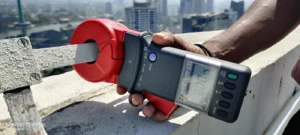
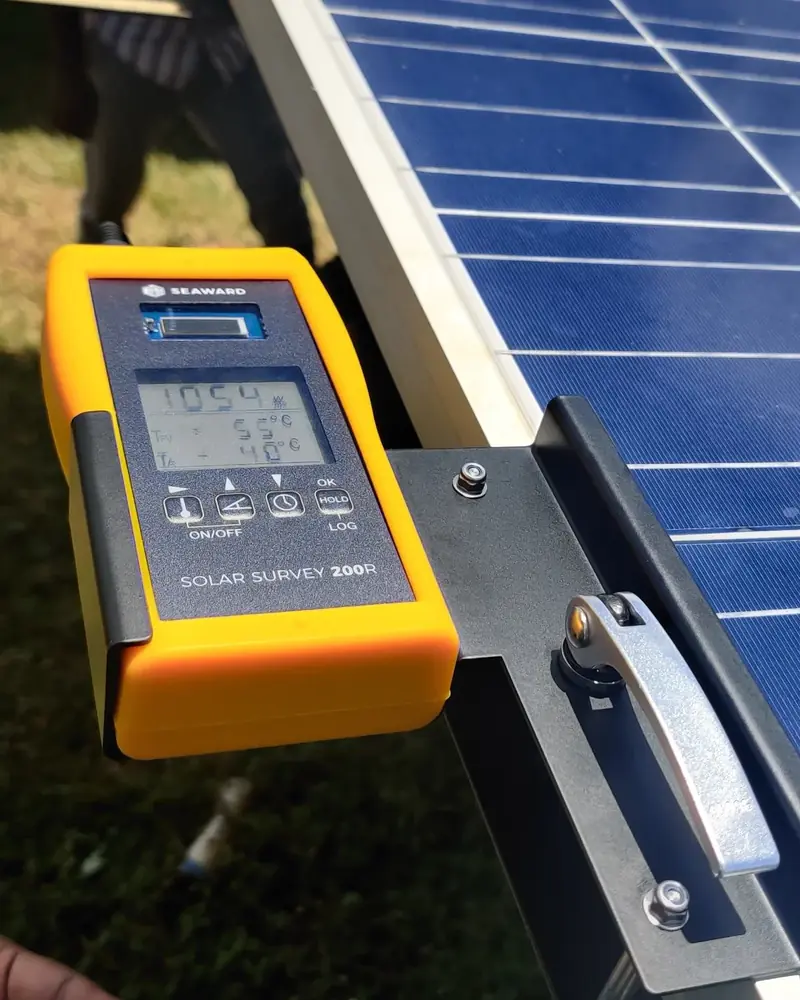
Our own instruments and our own drones, operated by our own engineers.


Where we have done it
Saga Solar, Hambantota
Performance analysis of an operating plant, with recommendations to improve the yield.
Piramal Glass, Horana
Aerial thermal inspection of the rooftop PV system.
Ansell Lanka, Biyagama
Aerial thermal inspection of three rooftop arrays of 1.3 MW, 0.9 MW and 0.22 MW.
Related services
A health check often leads to one of these.
Solar PV Consultancy
Feasibility, plant and rooftop design, testing and commissioning, and full performance assessments.
Explore →Solar panel faults in thermal images
What hotspots, bypass-diode failures and disconnected strings look like from the air.
Read →Lightning Protection & Earthing
Earthing and lightning protection testing for rooftop and ground-mounted PV plants.
Explore →Solar health check: common questions
If your question is not here, send it with your plant details.
What is a solar health check?
A structured check of an operating solar PV plant to find out whether it is producing what it should and, if not, why. We analyse the generation data string by string, test the strings that look wrong with a solar PV analyser, and survey every module with a thermal drone. The result is a list of faults ranked by the energy each one is costing.
What data do you need from us?
A year of generation data exported from the inverters or the monitoring portal, at string or MPPT level if the system records it, together with the string layout and the single-line diagram. Data from an on-site irradiance sensor helps if the plant has one. If the data is only available at inverter level, the analysis still works, at that level.
How does machine learning help find faults?
A plant with hundreds of strings produces too much data to read by eye, and a single weak string is easily hidden in the daily total. The models learn how each string normally performs against its neighbours under the same sun, and flag the ones that drift. The pattern of the loss over days and months then points to the likely cause, which we confirm on site.
How often should a solar plant have a health check?
Once a year suits most commercial and industrial plants. A check is also worth doing after a storm, after an inverter replacement, when yield drops without an obvious reason, and before the installer's defects liability period ends, while faults can still be claimed under warranty.
Does the plant have to be shut down?
Normally not. The data analysis and the thermal flight need the plant running, and I–V curves are measured string by string with only the string under test isolated.
What kinds of solar systems do you check?
Commercial and industrial rooftop systems and ground-mounted plants in Sri Lanka and the Maldives, from a few hundred kilowatts to utility scale.
Is your plant producing what it should?
Send us a year of generation data and the string layout. We will tell you what we see in it, what a health check would cover and what it costs.