Services · Testing & commissioning

Transformer testing in Sri Lanka and the Maldives

Acceptance tests before a new transformer is energised, and condition tests through its service life. Insulation, windings, ratio and oil are tested where the transformer stands, by our own engineers with calibrated instruments, and reported against the nameplate and the previous results.

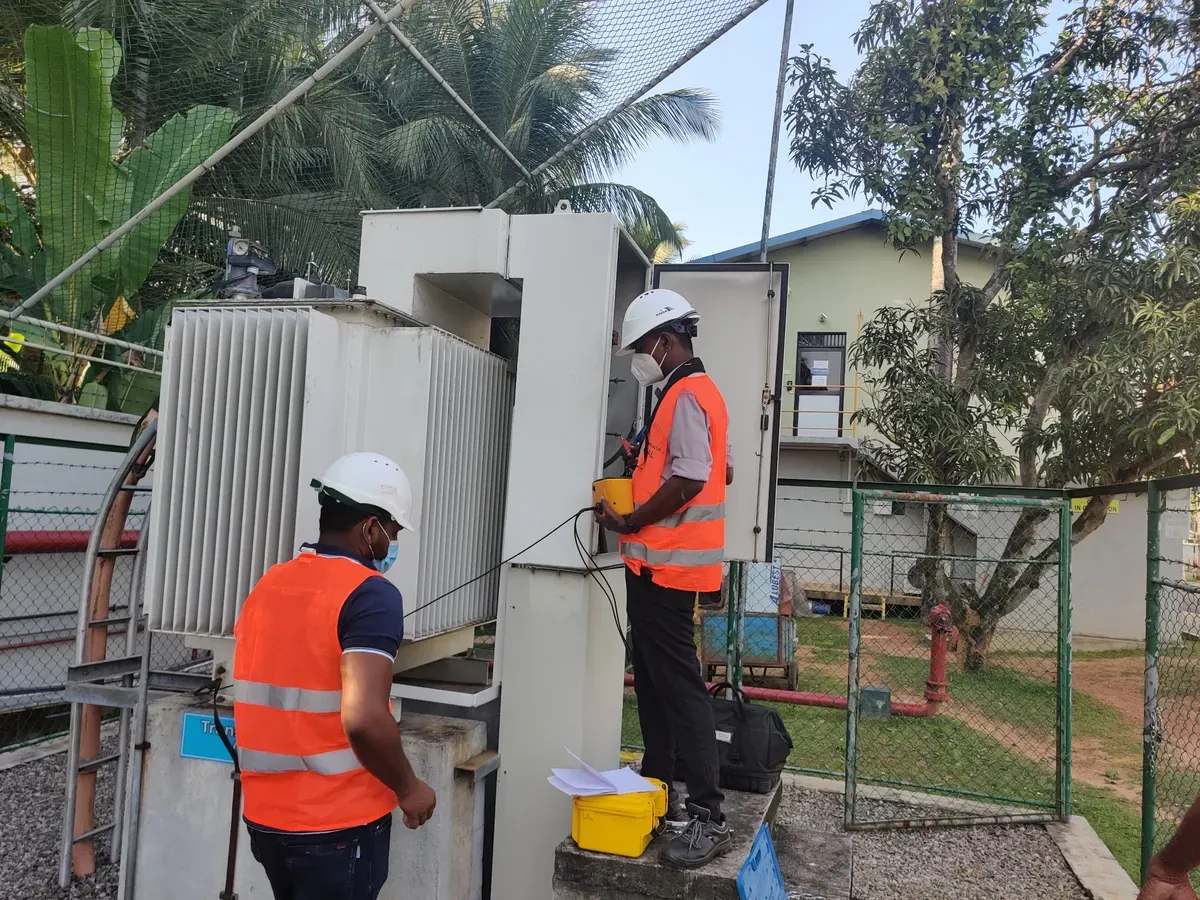
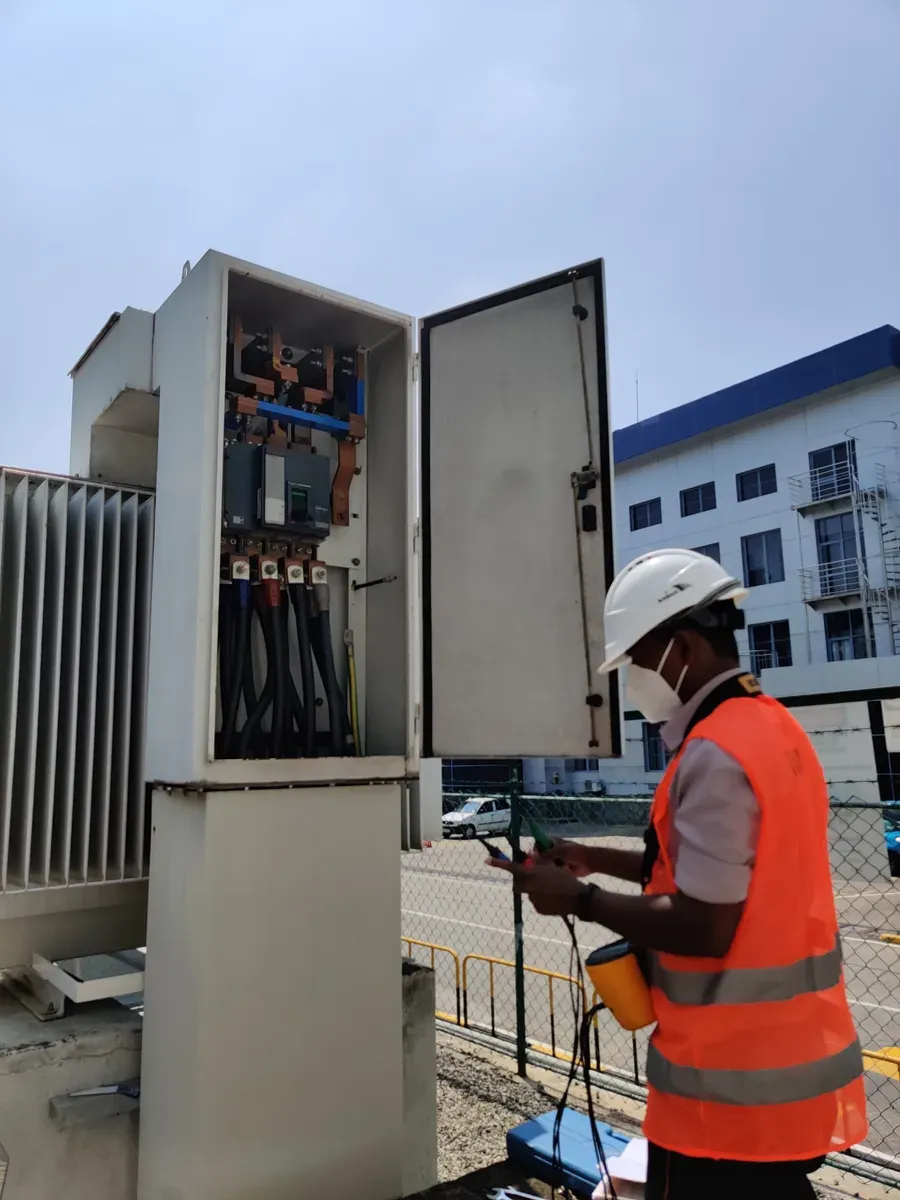
Vibhawa engineers testing a pad-mounted distribution transformer at its LV cable box
ISO 9001:2015 certifiedtesting and reporting under one quality system
Up to 33 kVdistribution and power transformers
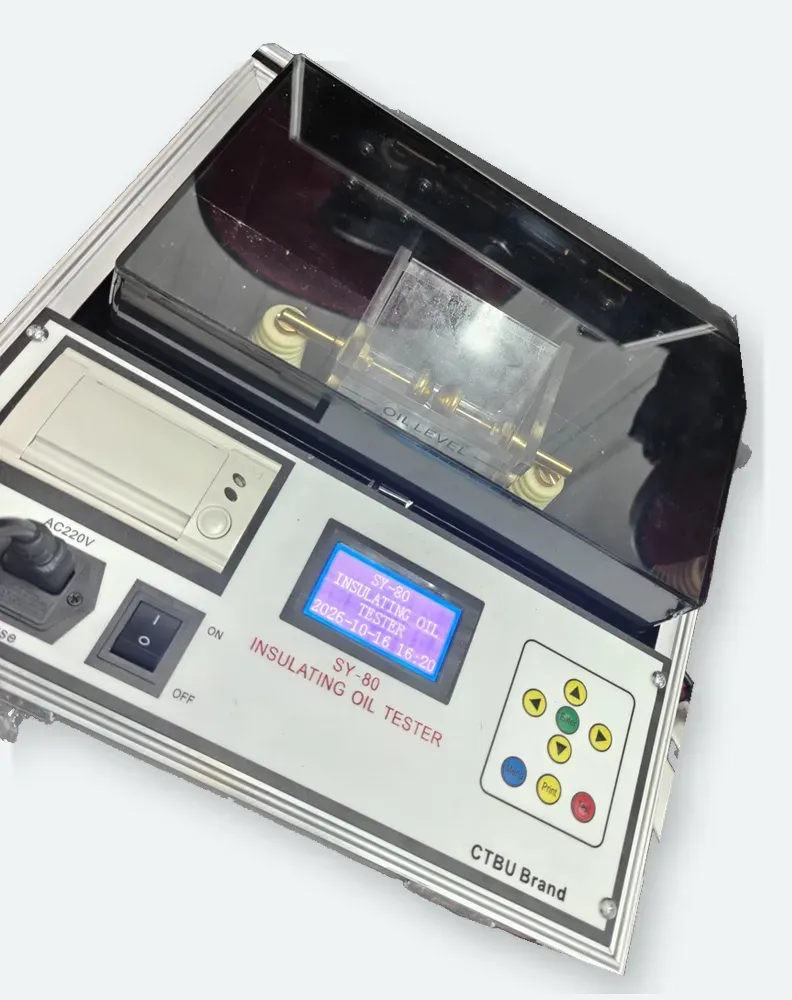
Oil tested on siteon Vibhawa's 80 kV transformer oil BDV tester
Chartered engineersreview and sign every report

What is transformer testing?

Transformer testing is a set of electrical measurements and an oil test that show the condition of a transformer's insulation, windings and insulating oil. Done before a new unit is energised, it proves the transformer arrived undamaged; repeated through its life, it shows deterioration early enough to fix it before a failure.

When does a transformer need testing?

New transformer, before energising

A site acceptance test confirms the unit arrived as it left the factory: no transit damage, no moisture taken up, ratio and vector group as ordered, and results that match the factory test certificate.

Periodic condition testing

The same tests repeated at intervals build a trend. A falling insulation reading or a drifting winding resistance is caught while it is a maintenance job, not an outage.

After a trip, fault or lightning event

Before putting a transformer back on load after a protection operation, the tests show whether the windings and insulation came through intact.

Relocated, refurbished or second-hand units

A transformer that has been moved, re-filled or bought used is tested as if it were new, so you know its condition before you depend on it.

What we test, and what each test tells you

Every visit starts with a visual and mechanical inspection: bushings, gaskets and leaks, oil level, the silica-gel breather, cable terminations and the tank earth. Then the electrical tests:

TestWhat it finds
Insulation resistance and polarisation indexMoisture and contamination in the winding insulation, HV to LV and each winding to earth. The polarisation index separates a wet transformer from a merely cold one.
Winding resistanceLoose or high-resistance joints, damaged tap-changer contacts and broken strands, measured on every phase and tap.
Turns ratio and vector groupShorted turns and winding displacement, and confirmation that ratio, tap position and phase shift match the nameplate.
Oil breakdown voltage (BDV)Moisture and particles in the insulating oil, tested on site as per IEC 60156. Low BDV is the commonest early warning on older oil-filled units.
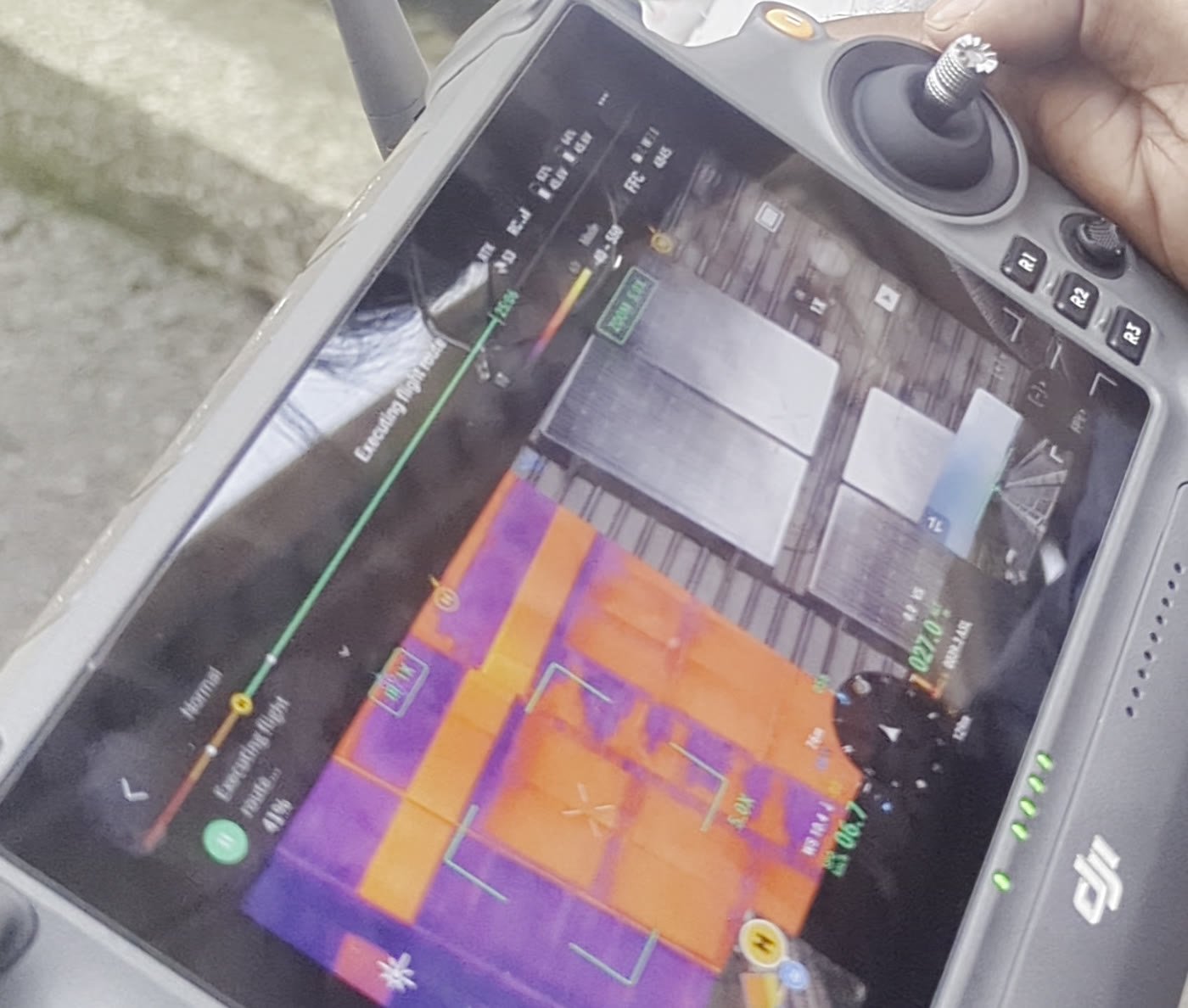
Thermal imaging under loadHot bushing connections, cable lugs and cooling problems, found with the transformer in service. Run by our specialist arm, thermography.lk.

Oil breakdown voltage, tested where the oil is

Insulating oil does two jobs: it cools the windings and it insulates them. As it ages it takes up moisture and particles, and its breakdown voltage falls long before anything else goes wrong.

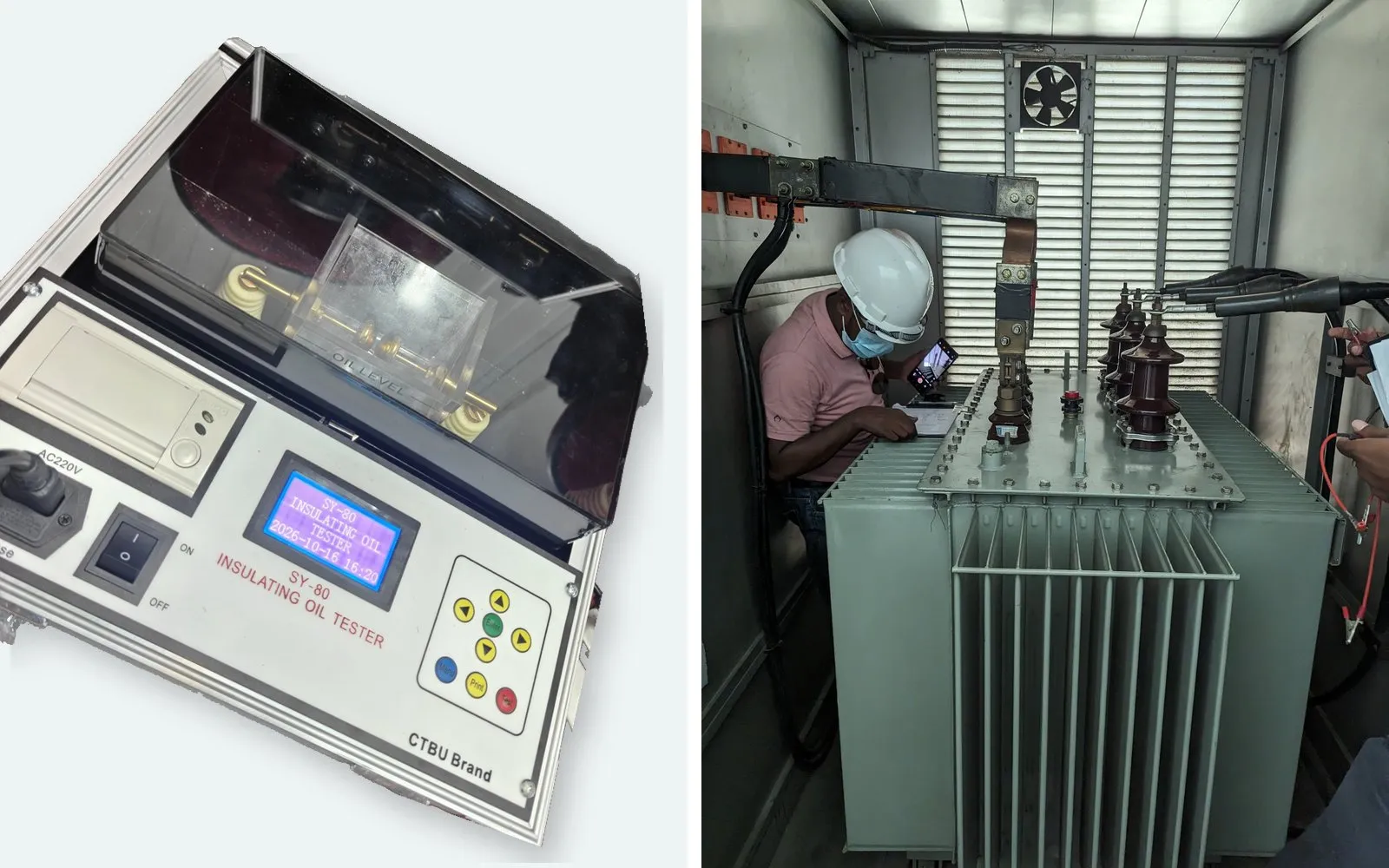
We draw the sample on site and test it as per IEC 60156 on Vibhawa's 80 kV transformer oil BDV tester, so you have the result the same day instead of waiting on a courier and a laboratory. The printed result is attached to your report.

Vibhawa's 80 kV transformer oil BDV tester beside an oil-filled transformer under test in a package substation
Left: Vibhawa's 80 kV transformer oil BDV tester, with the oil cup and test electrodes. Right: an oil-filled distribution transformer under test in a package substation.

How a transformer test visit runs

01

Scope from the nameplate

Rating, voltages, vector group, age and the last test results tell us which tests apply and how long the shutdown needs to be.

02

Isolate and test

With the transformer isolated and earthed under your permit, we inspect it, run the electrical tests and draw the oil sample.

03

Compare, not just record

Each result is set against the factory test certificate, the applicable IEC limits and your previous readings.

04

A signed report

Pass or fail on each test, what has changed since last time, and what to do about it, reviewed and signed by a chartered engineer.

Transformer testing on site

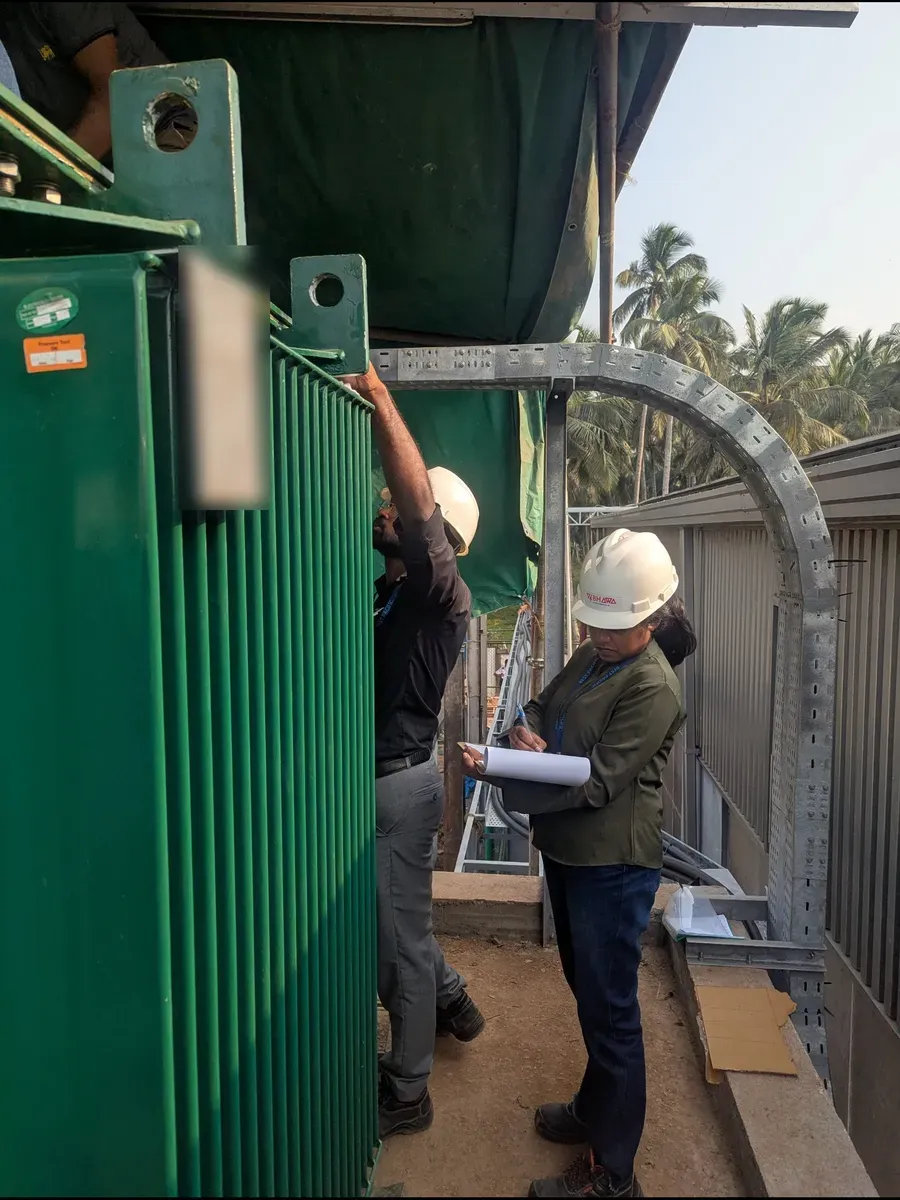
Vibhawa engineers inspecting a new oil-filled transformer before energising
Site acceptance inspection on a new transformer.
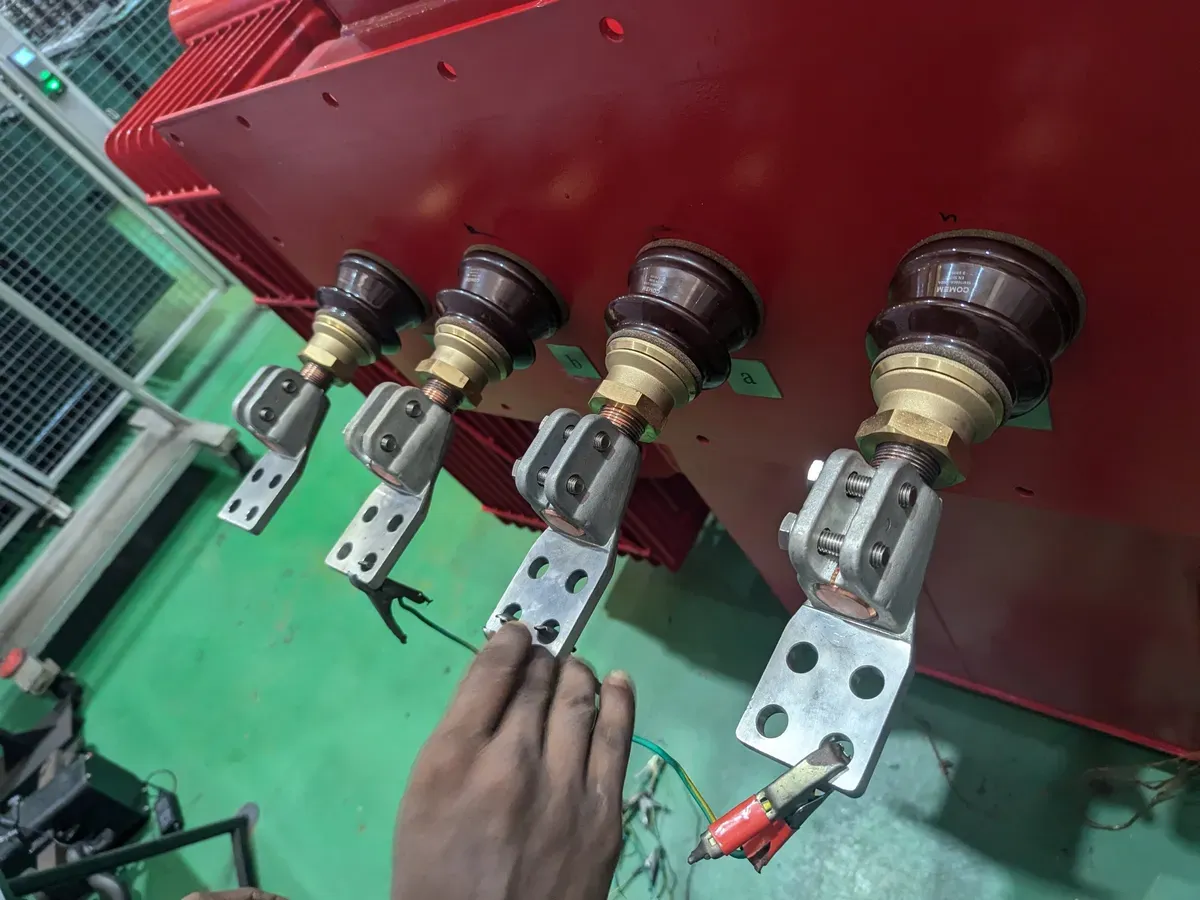
Test leads clamped to transformer LV bushings for winding resistance and turns ratio tests
Test leads on the LV bushings.
Vibhawa engineer testing at the LV incomer of a pad-mounted transformer
LV cable box and incomer.
Vibhawa's 80 kV transformer oil BDV tester with oil cup and test electrodes
Vibhawa's 80 kV transformer oil BDV tester.

Where we have tested transformers

Shipyard · 2026

Colombo Dockyard

Power transformer testing at Sri Lanka's largest shipyard.

Manufacturing · 2024

Lalan Rubbers

Transformer testing at the manufacturing plant.

Desalination · 33 kV

Jaffna Seawater Desalination Plant

As independent testing and commissioning consultants, we tested the power transformers (6,000 kVA installed) and their protection as part of the 33 kV/400 V system for Sri Lanka's first seawater reverse-osmosis plant.

Read the project →

Transformer testing is also part of our MV substation testing and commissioning work, so new transformers are proven before they are energised.

Often done in the same shutdown

MV & LV systems testing

Switchgear, cables and busbars on either side of the transformer.

MV & LV testing →

Protection system testing

The relays and breakers that are meant to save the transformer when something goes wrong.

Protection testing →

Protection coordination study

Settings that clear a downstream fault before the transformer feeder trips.

Coordination study →

Infrared thermography

Hot connections on bushings and cable boxes, found with the transformer on load.

thermography.lk →

Transformer testing: frequently asked questions

What does transformer testing include?

Our standard transformer testing covers four tests: insulation resistance with polarisation index, winding resistance, turns ratio with vector group verification, and oil breakdown voltage (BDV) as per IEC 60156. Every visit also includes a visual and mechanical inspection of the bushings, gaskets, oil level, breather, terminations and tank earthing.

Does the transformer have to be switched off for testing?

Yes. The electrical tests need the transformer isolated and earthed under your permit to work. Thermal imaging is the exception and is done with the transformer on load. We plan the shutdown with you so it fits a maintenance window.

What voltage transformers do you test?

Distribution and power transformers up to 33 kV, which covers most industrial, commercial, hotel and solar-plant substations in Sri Lanka and the Maldives.

Can you test a new transformer before we accept it from the supplier?

Yes. A site acceptance test after delivery and installation, compared with the factory test certificate, gives you independent evidence of the transformer's condition before you sign off the supplier.

How often should a transformer be tested?

It depends on the transformer's age, loading and how critical its supply is. Older units, units that run hot and units feeding a critical load need testing more often. Whatever the interval, the trend between successive tests matters more than any single reading.

Why test transformer oil breakdown voltage?

Insulating oil both cools and insulates the windings. As it ages it absorbs moisture and particles, and its breakdown voltage falls before other symptoms appear. A low BDV result is an early warning that the oil needs treatment or replacement.

Do you test transformers in the Maldives?

Yes. We test resort and utility transformers in the Maldives, usually combined with an electrical safety audit and thermal survey in the same visit.

What do you need from us to quote for transformer testing?

A photo of each transformer nameplate, the site location and, if you have them, the factory test certificate and the last test report.


Send us a photo of the nameplate

That is usually enough to scope the tests, plan the shutdown and quote. Add the last test report if you have one and we will tell you what has changed.

Request a quote

At Vibhawa, we offer state-of-the-art Electrical Consultancy, Testing, Condition Monitoring and Engineering Services designed for the needs of tomorrow’s world.

Services

Electrical Testing

Infrared Thermography

Electrical Consultancy

Electrical Design

Compliance Monitoring

Other Services

Recent news

  • All Post
  • Blog
  • News & Insights
  • work

© 2025 Vibhawa Consultants. Site By Remnis Global

Scroll to Top